

With over 200 million people, Brazil is the largest and most populous country in Latin America. It is the ninth most unequal country in the world, with around 60 million people living in poverty and 20 million in extreme poverty. Wealth and land are heavily concentrated: roughly 1 per cent of landowners control over 45 per cent of all rural land.
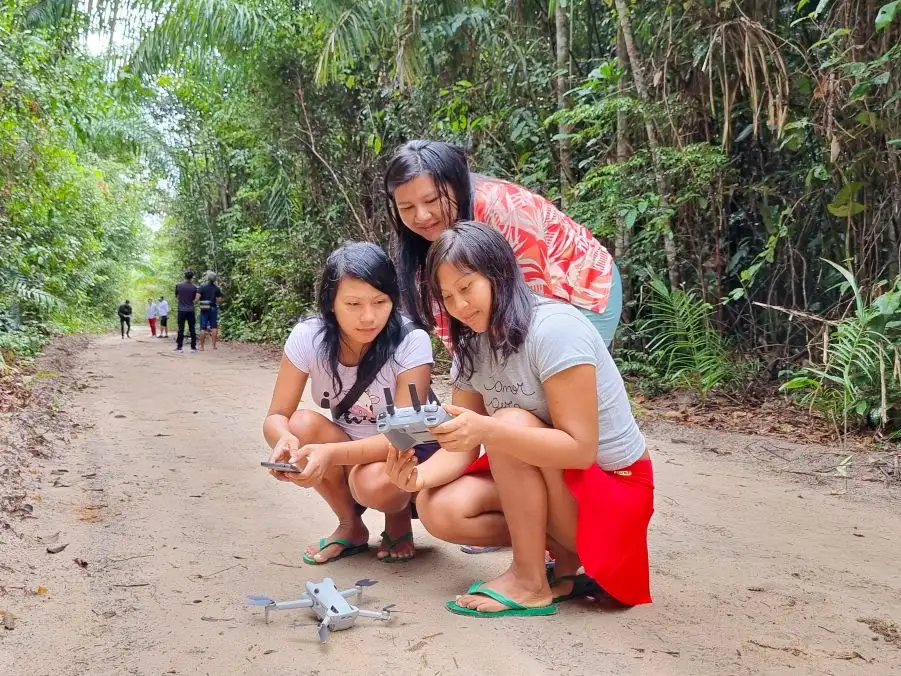
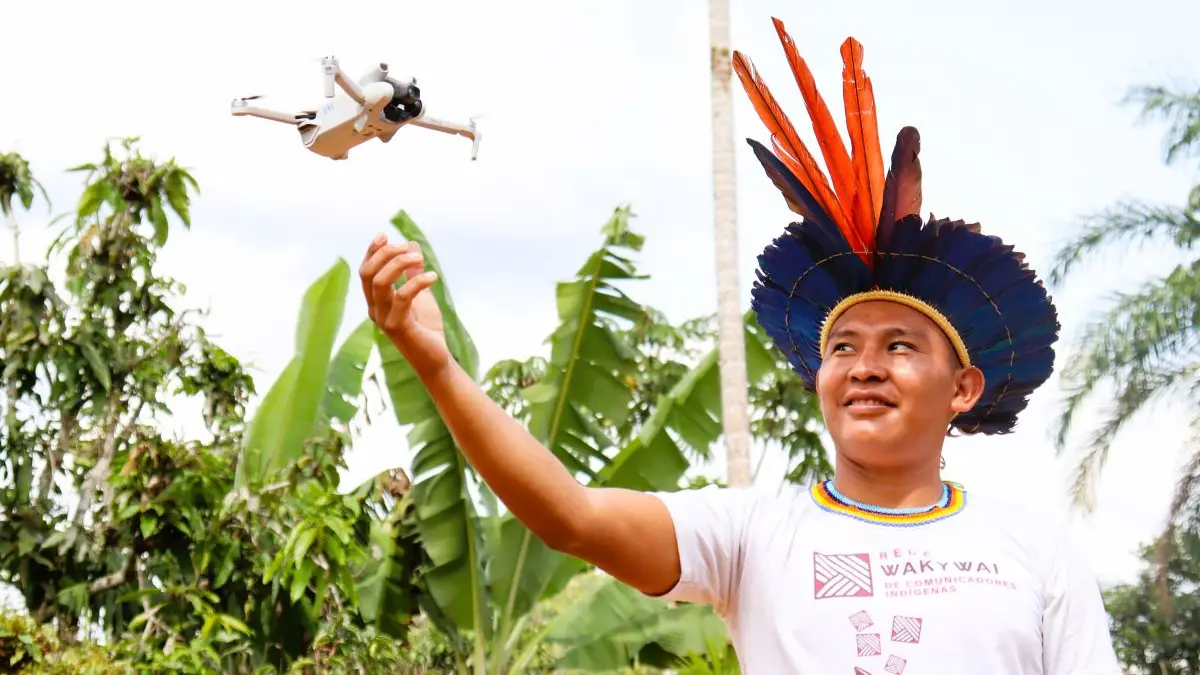
Brazil is home to around 1.7 million indigenous people across 305 ethnic groups and over 1.3 million Afro-Brazilians living in quilombola communities. Both face systemic threats to their land and way of life due to Brazil’s extractive economic model – dominated by economic interests such as mining, logging and industrial agriculture. Brazil is the second most dangerous country in South America for defending human rights and the environment.
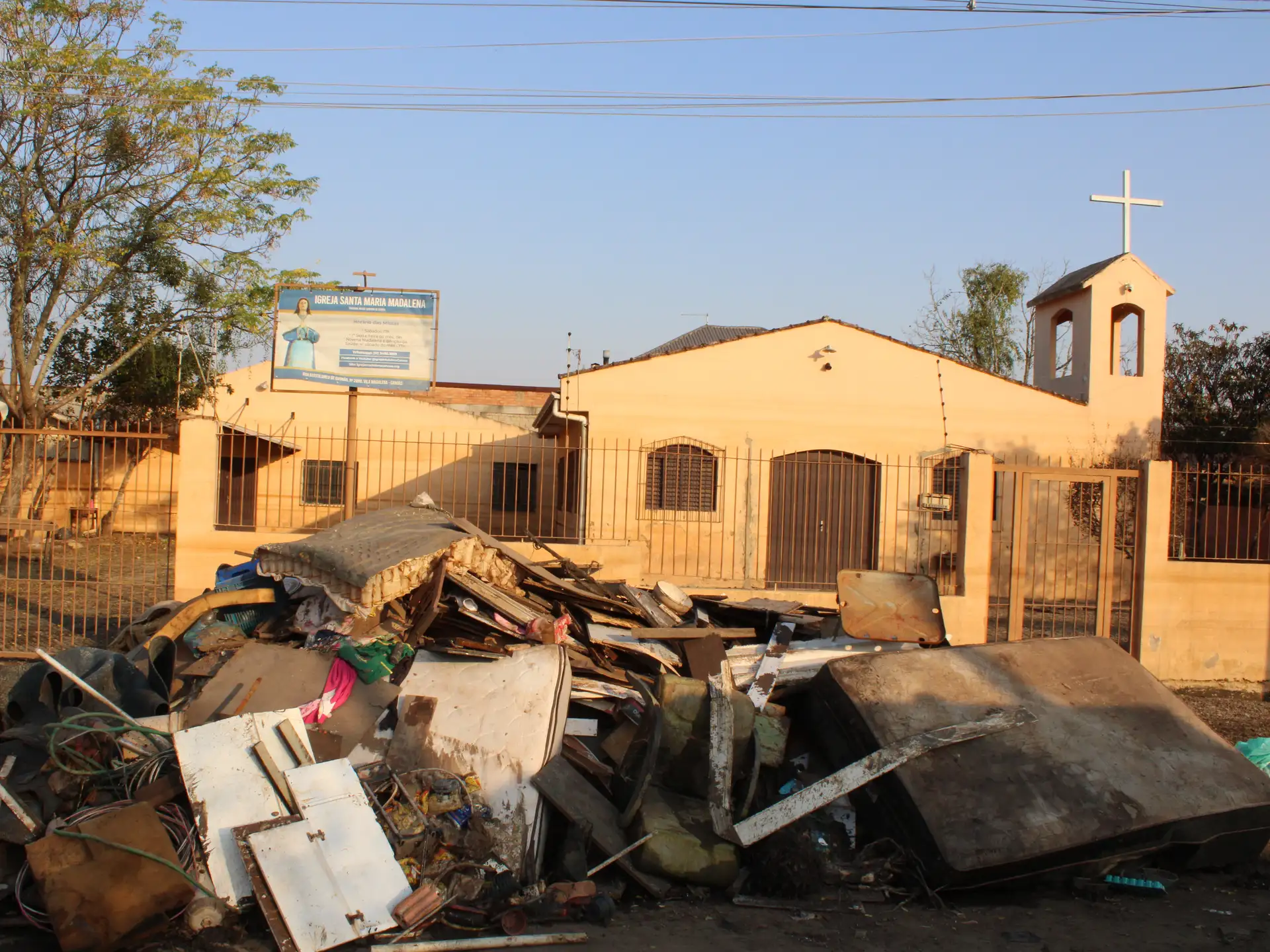
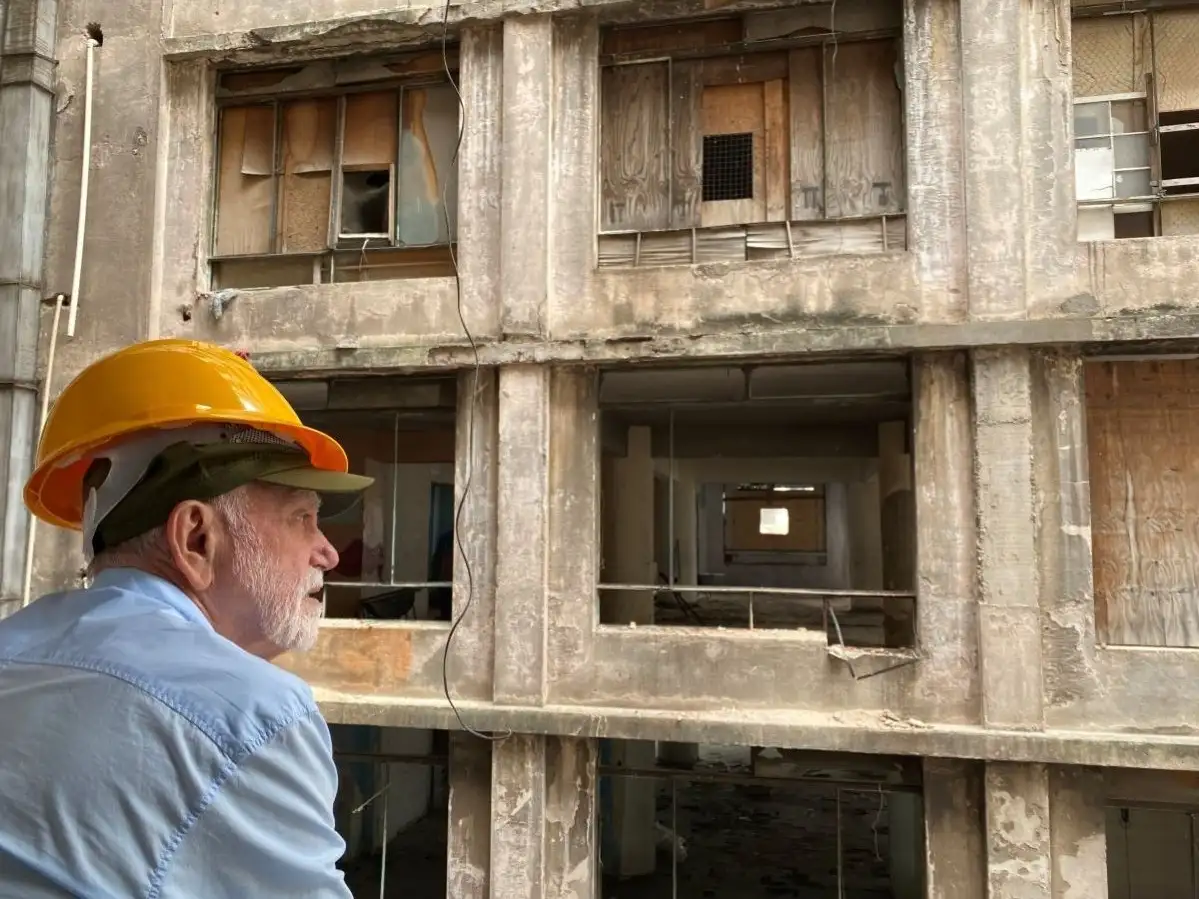
In urban areas, 26 million people are homeless or living in unsafe, overcrowded homes lacking basic sanitation and access to services. Many people live in precarious areas prone to floods and landslides –risks that are worsening due to the climate crisis. In cities like São Paulo, high rents forces families to choose between housing and food.
The Brazilian Amazon rainforest has intrinsic value in its own right; it is a living eco-system that is vital for all humanity. The rainforest plays a crucial role in the fight against climate change, as its vast forests absorb significant amounts of carbon dioxide, helping to stabilise the global climate and regional rainfall patterns. Indigenous communities play a crucial role in protecting these ecosystems through their traditional knowledge, sustainable land management and stewardship of the forest.
CAFOD has worked with local organisations in Brazil for over 50 years to challenge inequality, defend human rights, support community-led change, achieve social justice and protect the environment. Together, we are building a fairer, more just world.
News from Brazil