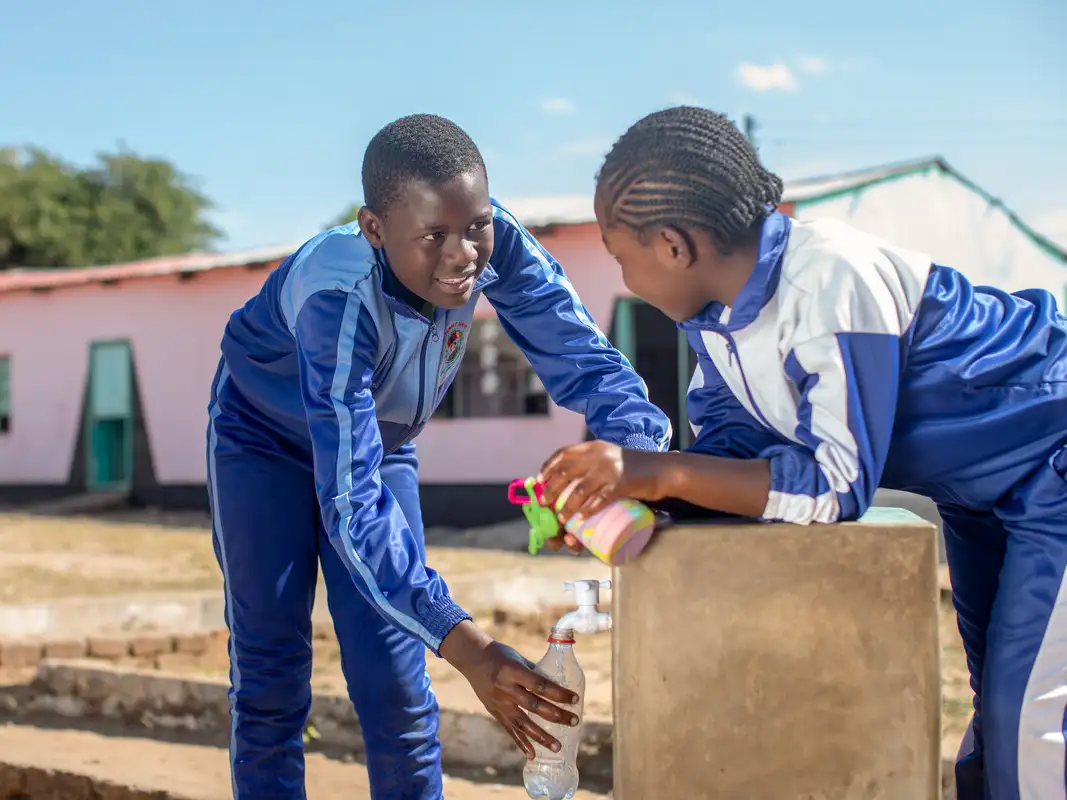
Together we’ve set up handwashing stations in markets, schools and health centres, so communities can keep safe. Hand sanitisers have also been distributed, and households have received soap, buckets for water storage and face masks.
We are also working with women’s groups to protect wives, mothers and girlfriends from the risk of domestic violence during lockdown and working to provide access to counselling and other services.
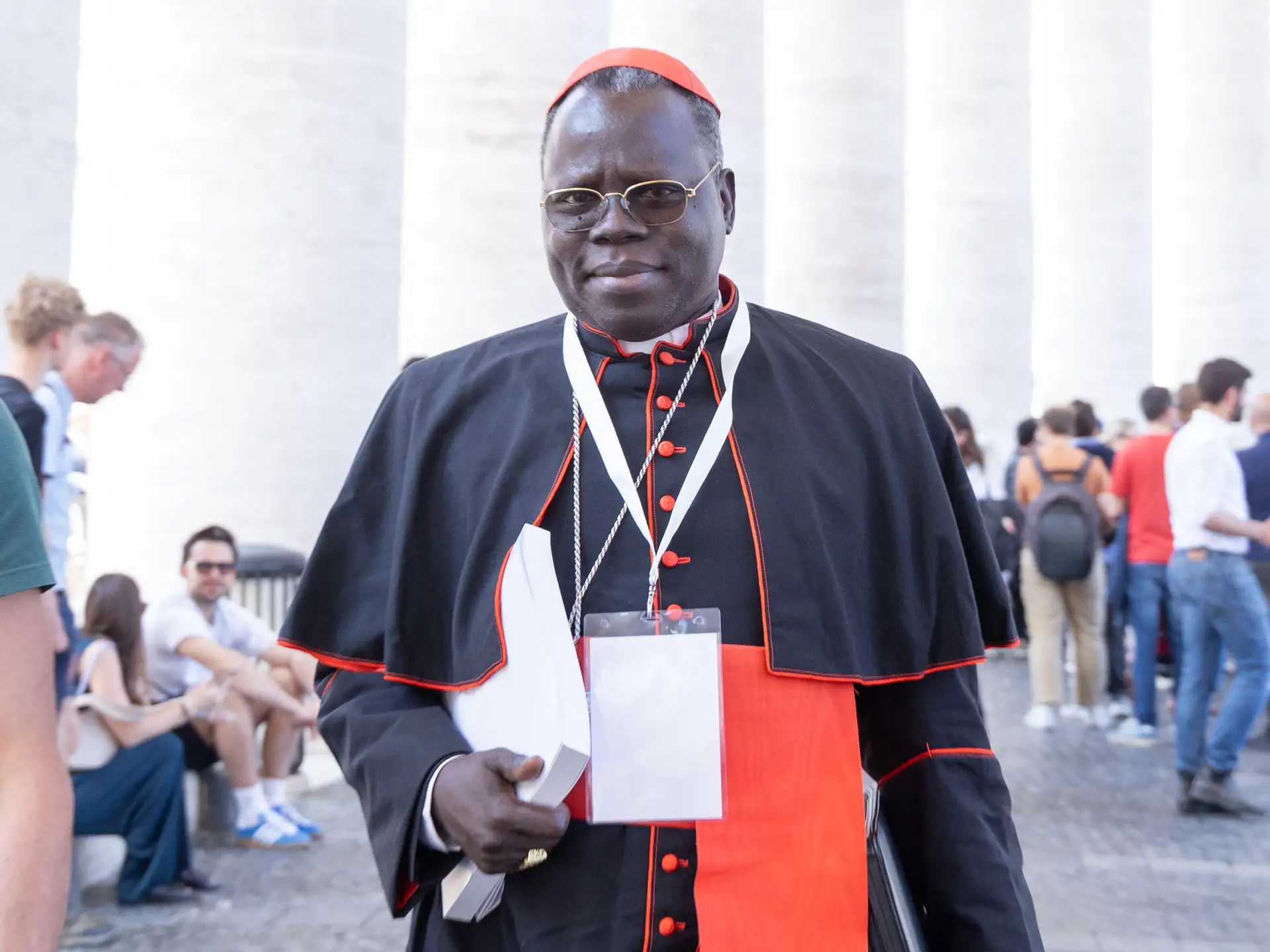
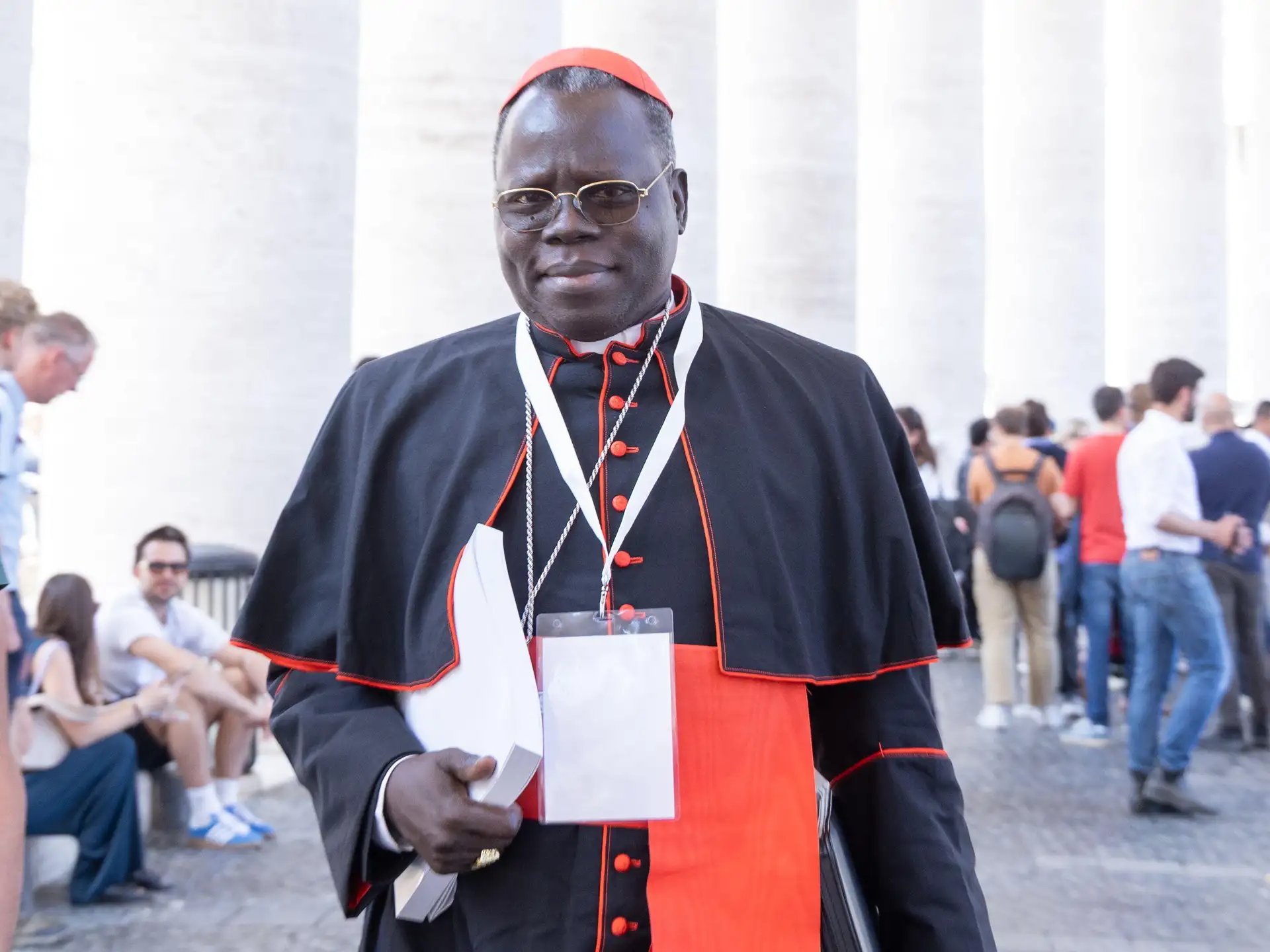
The Church in South Sudan is well respected and is a key partner in peacebuilding work.
Fr James Oyet Latansio, Catholic Priest and General Secretary of the South Sudan Council of Churches, further explains the situation in country, and the impact of coronavirus:
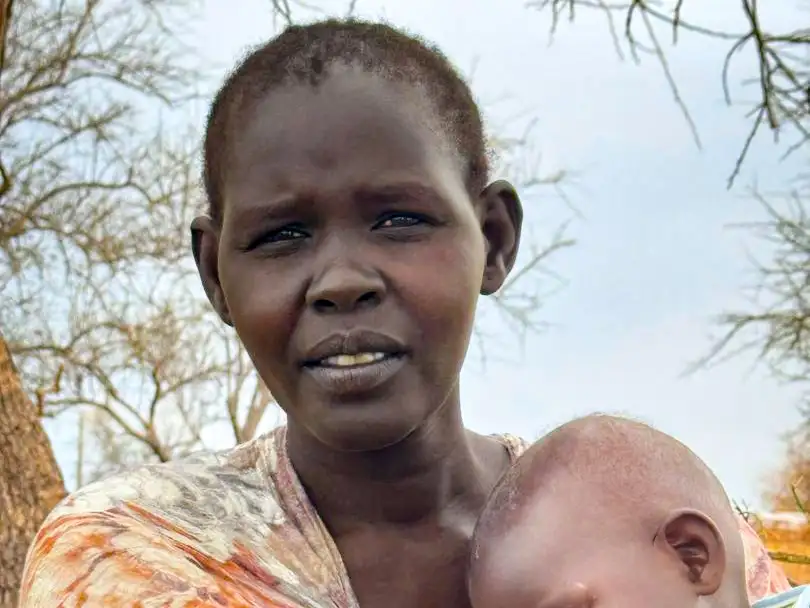
"Communities across South Sudan are facing huge challenges at this time. Ongoing conflict, flooding, and the impact of Covid-19 on health and the economy are all making food needs worse for families. People who live by earning a daily wage were caught unprepared, and the most vulnerable don’t have enough to eat.
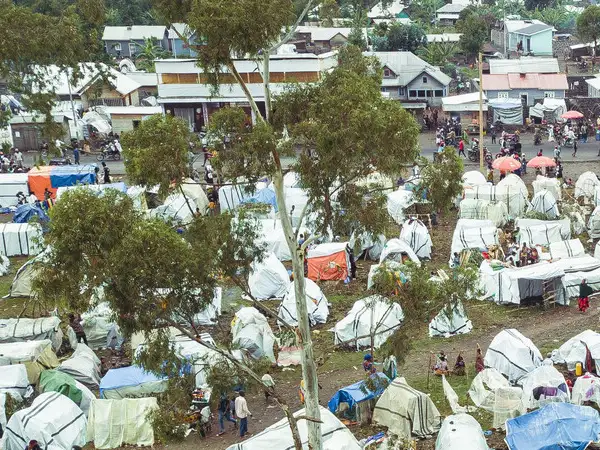
"Those who have been displaced, many of whom left their homes at short notice due to conflict or floods, are among the worst affected. They do not have clean water to drink – let alone wash their hands – or food to eat and cannot practise social distancing.
"With extreme hunger a more visible and increasing threat than the virus, children go out on the streets to beg for food, despite the danger of the disease spreading. Day and night outside my priest house, people are asking for something to ‘quench their hunger’. It is the poorest, the old, women and children who are paying the price."
Despite the challenges, our lifesaving work needs to continue. We need to continue delivering peacebuilding projects, as well as responding to the immediate needs of communities during this emergency.
We are following advice from the World Health Organization and the government to reduce the numbers of people at training sessions, increasing handwashing, and translating all materials into local languages.
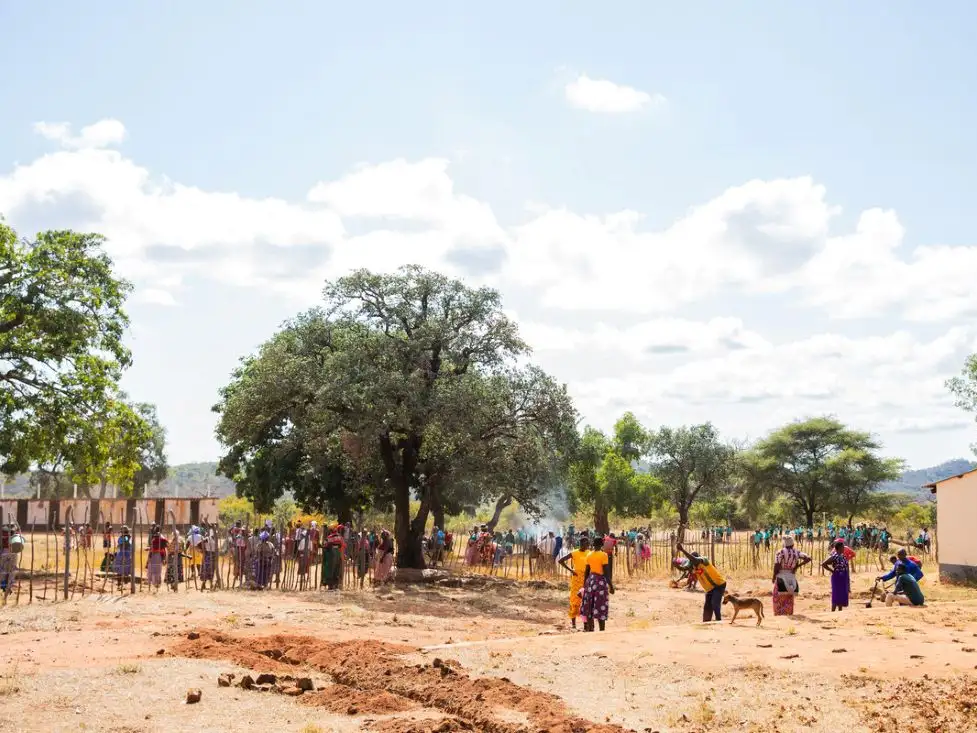
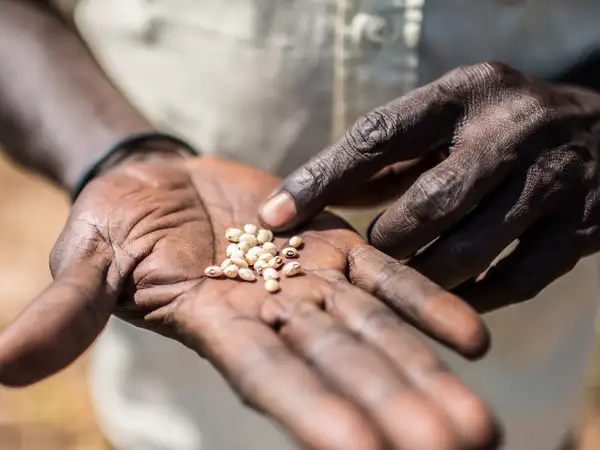
Each year, we operate under the pressure to reach communities before the rainy season comes – road access becomes much harder and families need to have planted by the time the rains come. We are getting seeds to farming families along with emergency food packages and continuing to provide practical training and help so that they can adapt to climate change.
Find out more about CAFOD's work in South Sudan