
03
Jul
2025


DEC Middle East Humanitarian Appeal
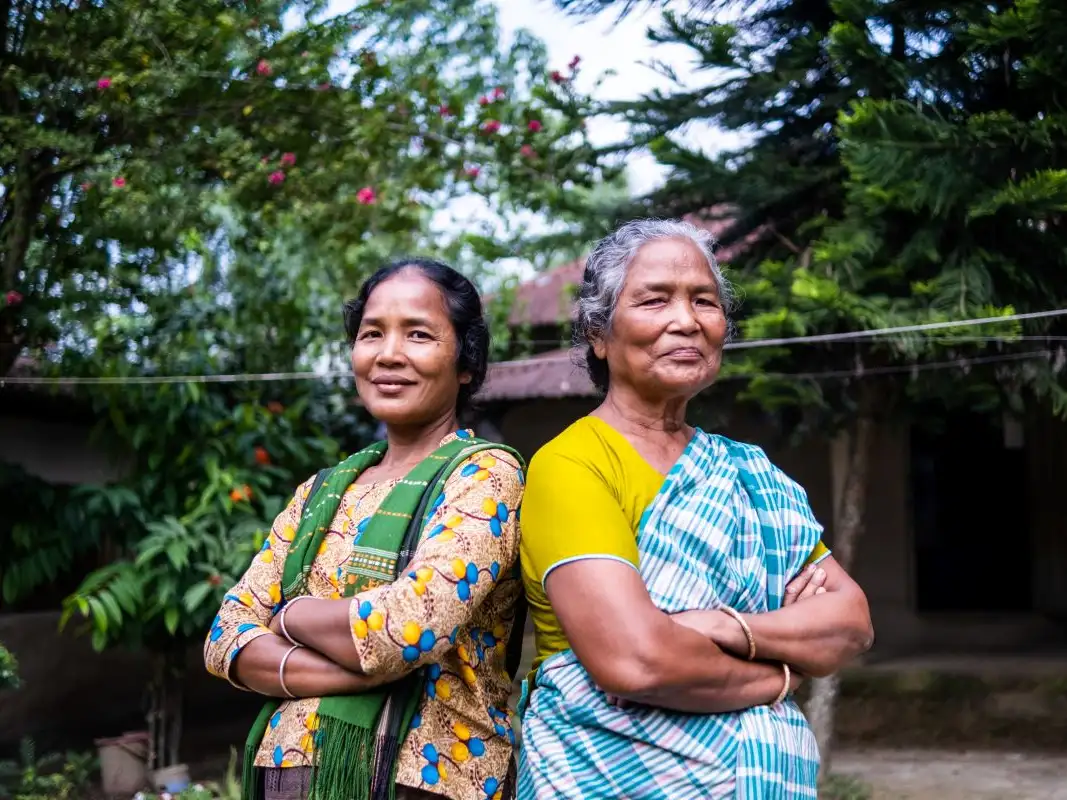
A better world needs all of us. That’s why we work with organisations that support us on funding projects to change lives around the world. These kinds of donors are called institutional donors. They include the UK Government, other governments, the START Network and the Disasters Emergency Committee (DEC).
Together we raise funds to achieve our mission – to help the poorest and most vulnerable communities thrive.
We are a partnership organisation, working with more than 300 faith-based and non-religious partners across Africa, Asia, Latin America and the Middle East. This means we work with local organisations within the communities to respond effectively to the unique needs vulnerable people face.
Inspired by Pope Francis’ encyclical Laudato Si', we are committed to seeking funding that responds to the needs that arise from the "cry of the earth" and the "cry of the poor”.
Our donors help create long-lasting impact in the communities we support. This includes working closely with women and girls to access programmes to help them live free from violence, fear and discrimination.
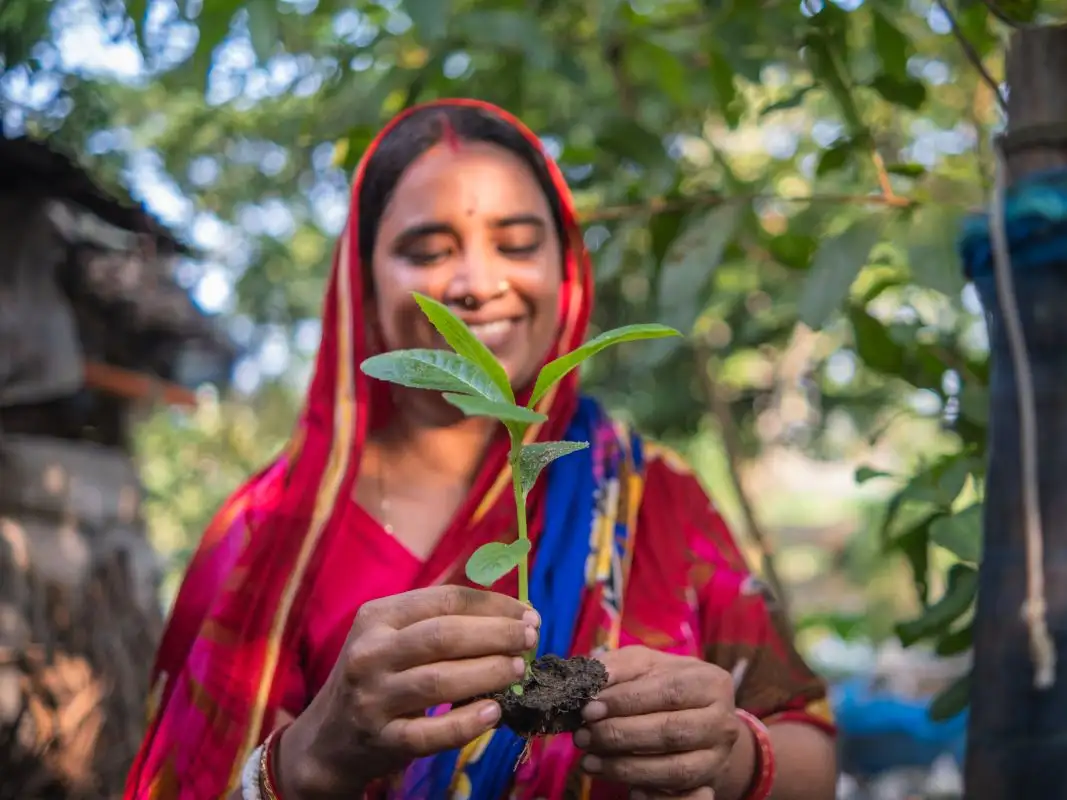
We also work with local teams to help families adapt to the climate crisis. Our action on climate change covers education, advocacy and practical intervention. When a climate disaster hits, we respond quickly and help communities prepare for future emergencies. We are proud to work closely with environmental defenders who stand up for the land rights of vulnerable communities and protect natural resources like forests.
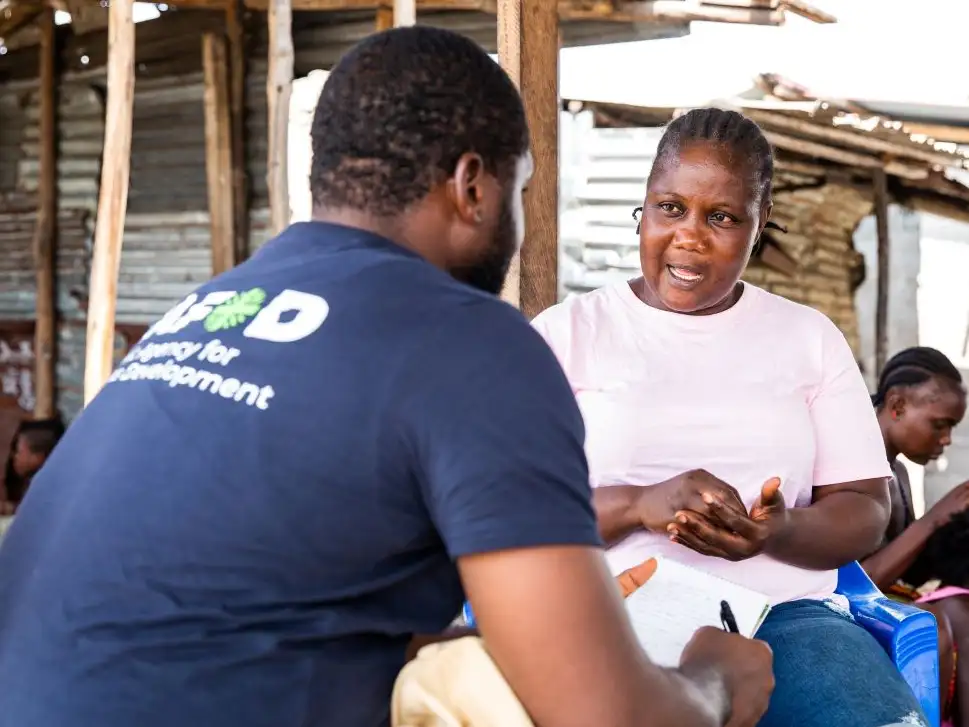
At CAFOD, the communities we support take the lead on life-changing projects. To support them, we connect local experts to funding opportunities to make their programmes successful.
In 2024/2025, CAFOD secured over £18.3 million of institutional funding. This includes funding from the Disasters Emergency Committee, the START Network for emergency responses, the UN, the UK Government and from across the Caritas network. Of that £18.3 million, 78 per cent was spent on CAFOD’s humanitarian work and 22 per cent on our longer-term development work.
We’re pleased to have worked with the UK Government since the 1980s. The funding we have received has helped us make an incredible impact on lives all around the world.
Working together in 2024, we made real, long-lasting change to vulnerable people in Afghanistan thanks to a short-term grant. Our local team helped 400 households with food and hygiene support, and over 1,700 people with psychosocial support (mental and emotional support after trauma).
We are a proud member of Caritas Internationalis, one of the largest church networks working locally across the world. We work in 162 countries to end poverty, promote justice, and help families thrive.

Caritas Sudan supporting internally displaced people with emergency aid. Credit: Caritas
In 2024-25, we ran an emergency appeal responding to the growing number of people forced from their homes in Sudan due to the conflict that broke out in April 2023. Funding through the Caritas network has enabled our local partner, Hope Sudan, to support around 50,000 people with emergency aid. This includes cash assistance to buy essentials like food and access to safe drinking water - helping to prevent the spread of cholera and sanitary services like toilets. We’re also supporting children whose families have been forced from their homes by fighting.
The Disasters Emergency Committee (DEC) is a group of 15 UK charities that respond quickly to major crises around the world by raising money together. We are proud to be one of these charities. When a disaster happens, the money raised goes straight to our local partners so they can provide urgent help to communities in need.

Destroyed buildings in Aleppo, Syria. Credit: Louis Junior Saad
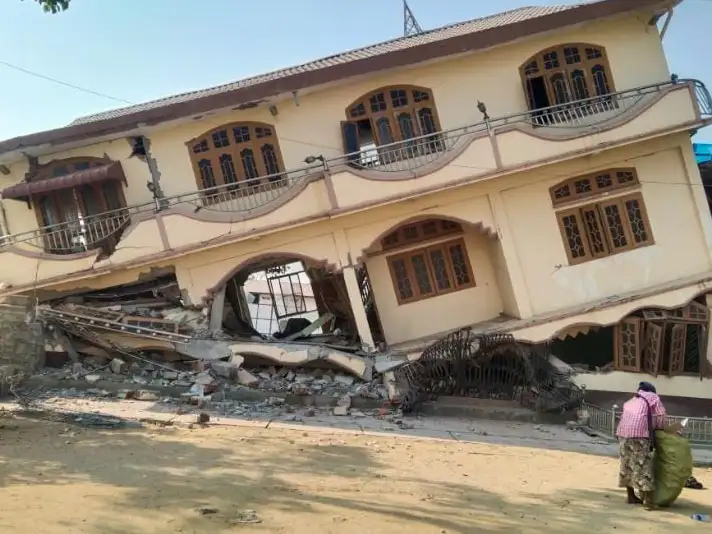
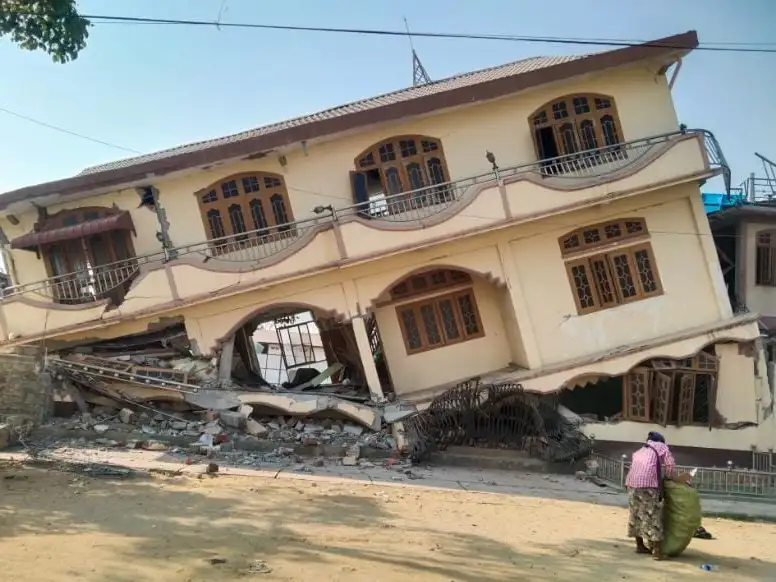
Following the devastating double earthquake that hit Syria in February 2025, we responded to the urgent need for aid and laid out a plan for long-term recovery.
Our immediate work focused on life-saving humanitarian help for vulnerable families. This included cash assistance to help families buy essential items like food, emergency mental health support and shelter.
After the crisis, we helped communities rebuild their lives. Local experts worked with families to rebuild their local communities. Children were supported in going back to school, and women were helped to restart businesses they had lost during the crisis.
In 2021-23, we worked quickly in conflict and climate emergencies in the Democratic Republic of Congo with support from our Church partners.
During this time, 98,977 community members received help. Vulnerable families were provided with unconditional cash assistance to buy essentials like food, blankets and safe drinking water. And 13,867 people were able to recover quickly from disasters, meaning they could get back to earning a living and supporting their families once again.
We also worked hard to prepare people for emergencies like extreme flooding, supporting 111 communities to prepare for disasters including setting up early warning systems - a way of predicting upcoming disasters. This meant families were ready to adapt when a disaster like flooding happened to avoid losing everything.

Our partner Caritas Chinhoyi, with the support of the OAK Foundation, is supporting families in Rushinga, northern Zimbabwe, to establish nutritional gardens and fishponds to improve their nutrition, incomes and access to water.
In the Andes in Latin America, we worked closely with a local team - Karlsson Játiva Charitable Foundation (KJCF) - for over 20 years. We worked together to tackle poverty, create opportunities, and strengthen the resilience and wellbeing of children, families and communities in both cities and rural areas. We protected children’s rights and ensured they had access to essential resources like food, safe drinking water, quality education, a safe environment and protection from violence.