


The economic system prioritises servicing debt over feeding people, while our governments are starved of cash to build the sustainable food systems we need to feed ourselves
The economic system prioritises servicing debt over feeding people, while our governments are starved of cash to build the sustainable food systems we need to feed ourselves


Lokho watering plants inside the shade net, with help from Wakera, a Caritas agroecology expert
Over 2.33 billion people are facing food insecurity. Yet the most food insecure countries have increased their expenditure on debt servicing by 75 per cent in recent years.
At the same time, the climate crisis is making it harder and harder for smallholder farmers around the world to grow enough to eat.
Debt diverts resources from agriculture, which sits at the heart of any food system. Kenya, for example, is spending more than 16 per cent of total government expenditure on interest payments on debt. Yet its agricultural investment only amounts to 2.46 per cent.
This money takes away from building more sustainable and innovative food systems that could help millions of smallholder farmers cope with climate-related events such as floods and droughts.
Unfortunately, this is one of the many ways in which debt feeds food insecurity.
Many countries cannot produce enough food for local consumption because they are forced to use their land to grow crops for export so they can get foreign currency to pay off debt. But at the same time, this export-oriented food system deepens the debt crisis.
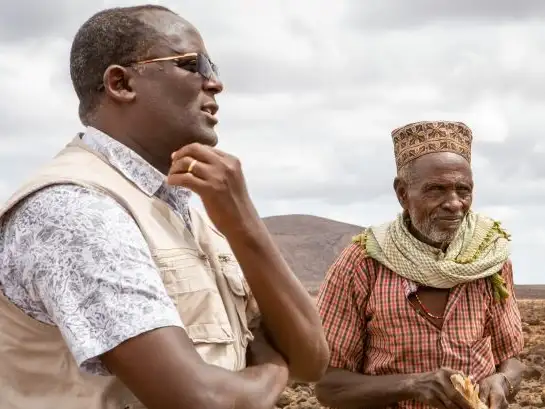
Million Belay from the Alliance for Food Sovereignty in Africa (AFSA), one of CAFOD’s partners, points out:
"Africa is stuck in a bind. We’re selling coffee and cotton to the rich to pay off debts, while we import increasingly unaffordable staple foods from outside, climate change batters our harvest, and interest payments spiral out of control."
As well as having to import expensive chemicals such as fertiliser to produce export crops - such as coffee or cotton - for foreign currency, low-income countries also have to import staple foods to feed their people. But when food and fertilisers prices rise on global markets, these countries have to borrow more money to maintain the levels of imports they need for basic food security.
All this perpetuates the cycle of debt while leaving countries trapped in an unsustainable food system.
Million Belay adds:
"The economic system prioritises servicing debt over feeding people, while our governments are starved of cash to build the sustainable food systems we need to feed ourselves."
During this past Jubilee year we have been campaigning tirelessly on debt justice. We need a new global debt framework to provide a level playing field for debt negotiations with both debtor and creditor countries fairly represented.
A framework such as this has the potential to put an end to the current predatory debt system which is forcing over 70 per cent of low-income countries' revenues to be devoured by debt repayments instead of being invested in more sustainable food systems.
The UK presidency of the G20 from November this year gives us a unique opportunity to push for a fair global debt system.
Additionally, by shifting to alternative ways of producing food such as agroecology, low-income countries can cut the crippling costs of food imports, fertilisers and energy dependencies that force them into debt.
Agroecology works with nature instead of against it, regenerates the soil, protects seeds and eliminates toxic pesticides that make farmers sick. From CAFOD’s partners’ experience, we know that agroecological approaches are instrumental in building climate resilience into food systems and creating local food economies.
In this era of aid cuts, innovative ways of growing food such as agroecology are low cost and vital steps towards global food security.
During 2026 we will continue to campaign on debt, food and climate. These are not three separate issues but symptomatic of a broken financial system that prioritises the profit of a few over the lives of millions.
So please help us to call on the government to refocus funding from its (already reduced) international aid budget on to locally-led agroecology programmes, which build sustainable livelihoods for the communities CAFOD serves.

Urge the Minister for International Development, Baroness Chapman, to support sustainable food systems, which would make a huge difference to people's ability to feed themselves.