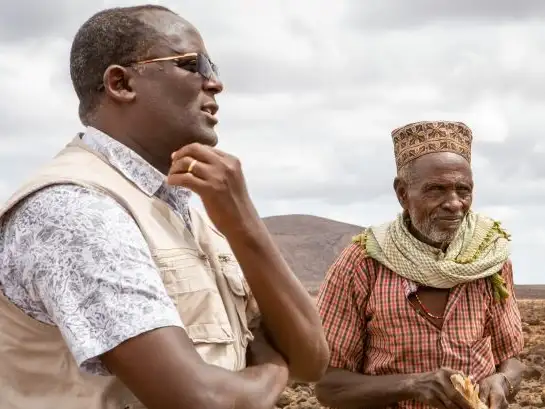
With recent crop failures in East Africa due to the worst drought in 40 years, and a massive dependence on imported wheat – which has rocketed in price due to the impact of Covid and the war in Ukraine – millions are currently facing hunger in Kenya. This can be directly linked, in part, to the colonial legacy of focusing on exports of a few staple crops, while importing food to feed local people.
Spanish colonisers arrived in Latin America and encountered indigenous populations such as the Mayas and Aztecs, with a rich fertile land and a variety of nutritious crops including beans, pumpkins, avocados, cassava, fruits, cocoa and cotton.
However, this food was different to the European staples of bread, meat and wine and was seen as substandard and unfit for the European colonisers’ consumption. Christopher Columbus himself was convinced the Europeans colonisers were dying due to the lack of healthy foods.
The colonisers started to import their own food and the first horses, sheep, cows and goats arrived with Columbus’s second voyage in 1493. The recently imported European animals were allowed to roam and often trampled indigenous lands, multiplying quickly and leading to the establishment of livestock ranches.
The legacy of these ranches is evident today when we see the extent of deforestation of the Amazon, hitting record levels in 2022, largely due to beef and soy production for export. The current food system, dominated by industrial scale production of food commodities such as meat, sugar and palm oil, is a major driver of climate change, with up to 30% of greenhouse gas emissions linked to the food system, mainly caused by deforestation for commercial agriculture.
This focus on intensified production of a few crops for export continues to undermine indigenous food systems that work in harmony with nature and can support diverse, nutritious crops and local markets that build people’s livelihoods.
CAFOD recognises the legacy of colonialism in creating poverty today and our Fix the Food System campaign is tackling some of these structural issues in the current food system as well as promoting local, diverse, resilient systems that our partners are supporting.