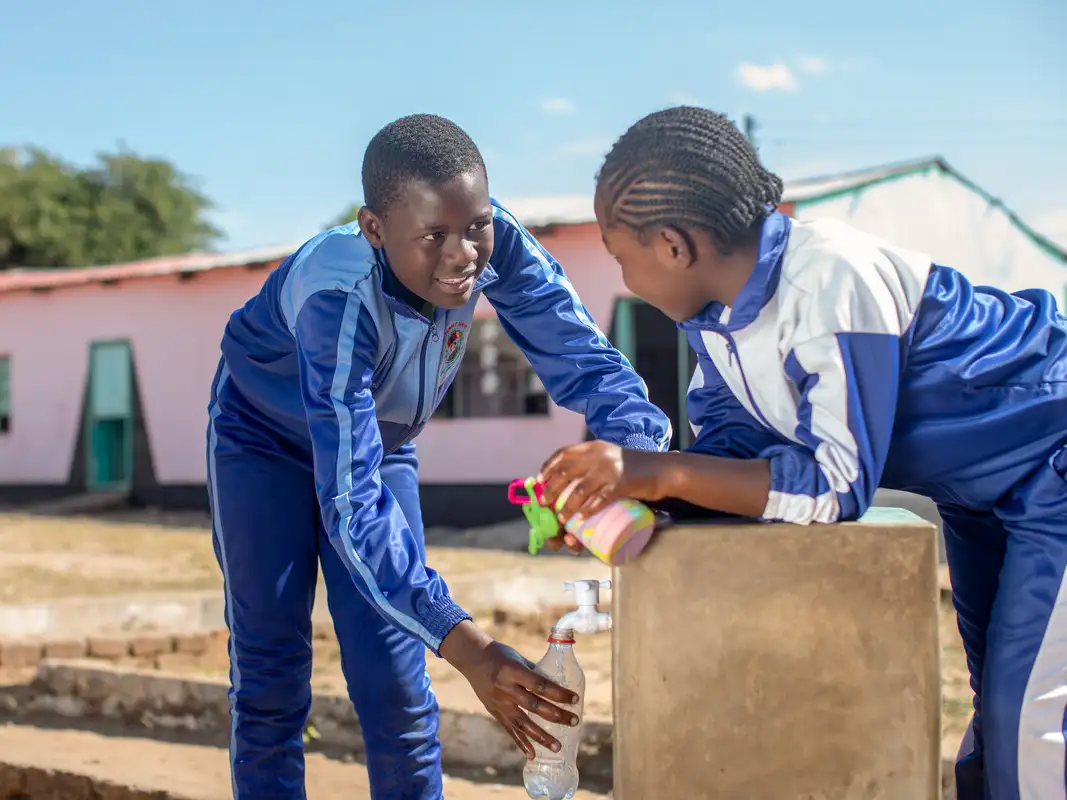
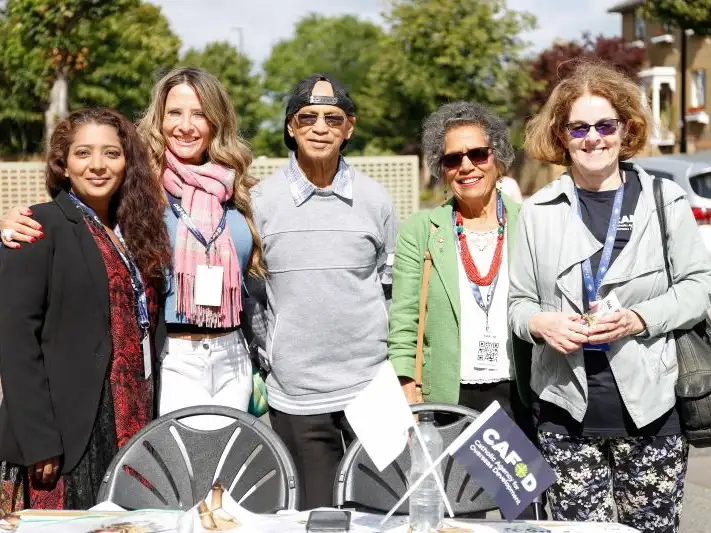
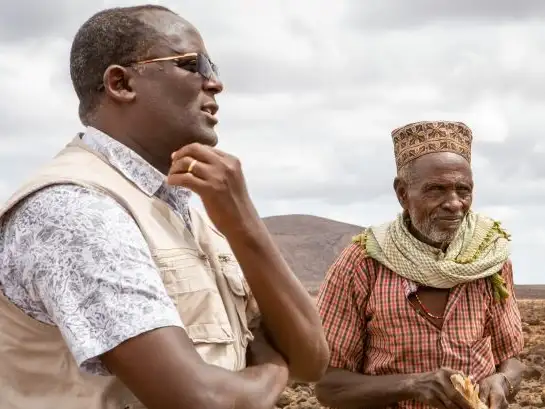
And research from CAFOD and groups such as the Overseas Development Institute has shown that off-grid energy powered by renewable sources such as solar power are usually the quickest, cheapest, safest and most reliable way of bringing electricity to poor communities.
Pope Francis echoed this, telling the oil and gas bosses that “the more than one billion people without electricity today need to gain access to it” if we are to end energy poverty, but “that energy should also be clean” – not generated by fossil fuels.
Francis said:
“Our desire to ensure energy for all must not lead to the undesired effect of a spiral of extreme climate changes due to a catastrophic rise in global temperatures, harsher environments and increased levels of poverty”.
The Pontiff reminded the energy leaders at the Rome meeting that searching for new fossil fuels to burn is incompatible with the Paris Agreement goal of limiting global temperature rises.
Instead, business leaders must speed up the transition from fossil fuels to renewable energy as it is “the poor who suffer most from the ravages of global warming”.
The Pope said:
“Many of those who can least afford it are already being forced to leave their homes and migrate to other places that may or may not prove welcoming. Many more will need to do so in the future.”
Neil Thorns, Director of Advocacy at CAFOD, said:
“The Holy Father wrote in Laudato Si’ that he wanted to ‘enter into dialogue with all people about our common home’. Preaching to the not-yet-converted at this week’s meeting is an example of the Church doing exactly this.
“Francis reminds us in his encyclical that ‘Business is a noble vocation’, but also asks why anyone would want to be remembered for failing to act when the world’s poorest people are being pushed deeper into poverty by climate change. It’s a question fossil fuel executives would do well to ask themselves.
“If energy companies are serious about caring for our common home, they need to take the Pope’s advice and hurry up with shifting their priorities – and therefore their money – from fossil fuels to renewables.”