

We believe that everyone has the right to a safe and healthy environment. We are committed to protecting and restoring the earth, as well as supporting communities to adapt to the climate crisis, so they can thrive, not just survive.

Konika, a farmer in the Barishal region of Bangladesh, is learning more about environmentally friendly farming techniques and how to adapt to the climate crisis
We support local experts who help communities to look after the natural world and adapt to the climate crisis in ways that offer long-term benefits and respect human rights. Our long-term partnerships build trust, deepen our understanding of local contexts, and tap into solutions that lie within the communities themselves. Because the health of the planet and vulnerable communities are connected, we ensure environmental concerns are considered across all our programmes.

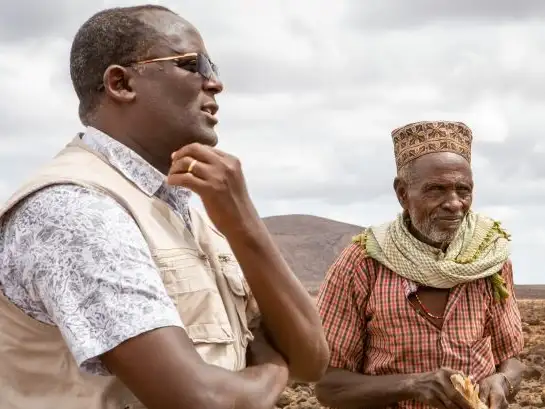
Lokho is part of a woman’s group in Marsabit County, northern Kenya. She is learning more about growing crops and raising livestock in order to diversify her income and support her family through the climate crisis.
Resilient livelihoods
We provide access to knowledge and equipment for families to earn an income in ways that reduce the impact of climate change.
We promote agroecology-farming that protects both the environment and the right to access healthy food.
We support families to transition away from work that harms the environment.
Emergency preparedness and response
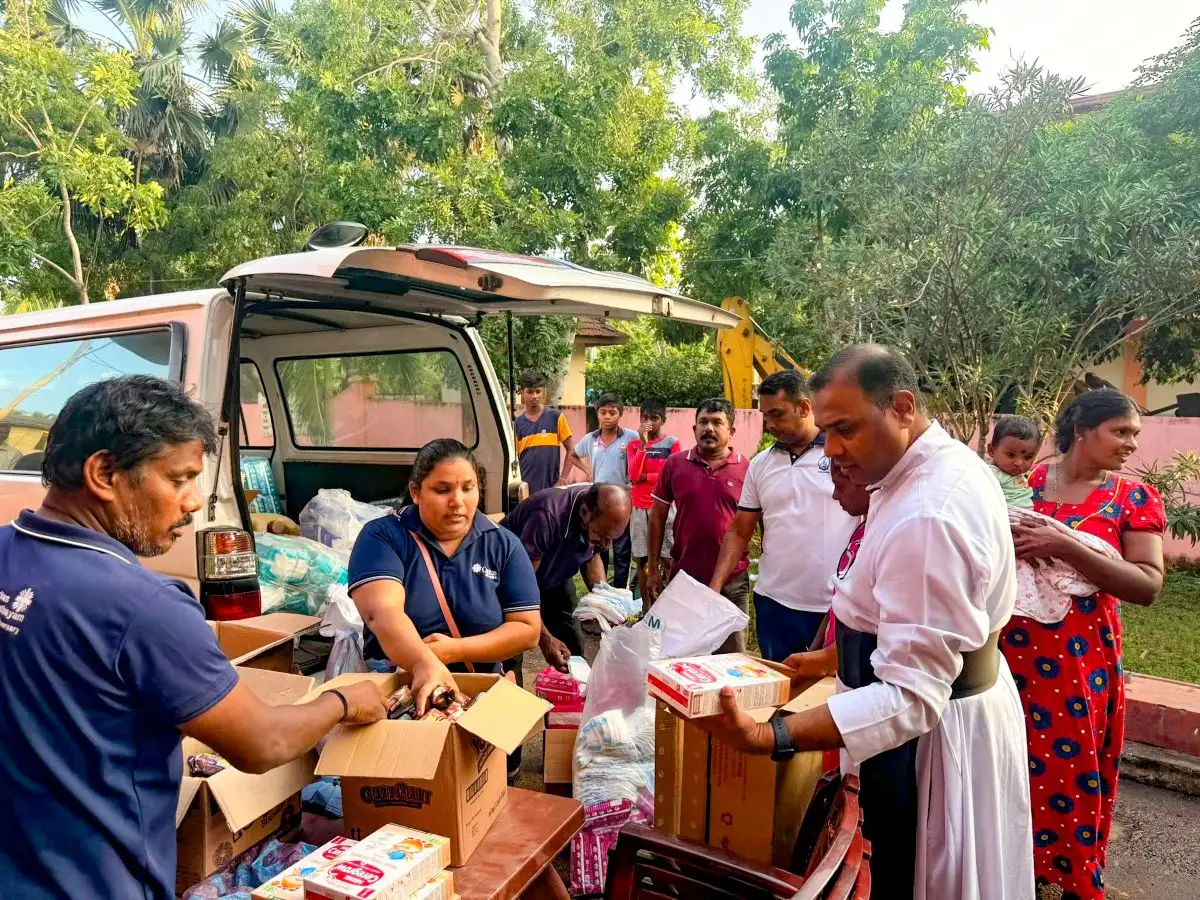
We help families to recover when a climate disaster strikes like flooding.
We help communities to be better prepared and more resilient to the climate crisis.
Climate and environmental justice
We help communities to stand up for their land and their rights, and to hold their governments to account.
We support environmental defenders (people who peacefully advocate for environmental protection).
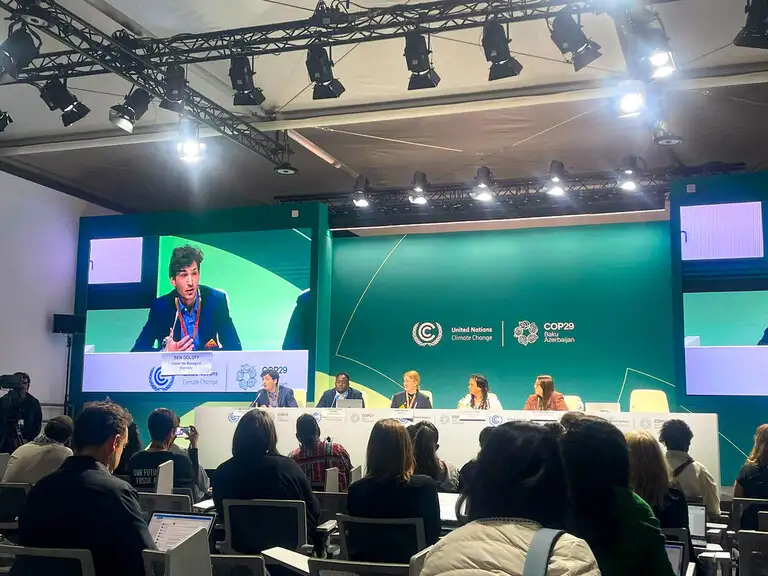
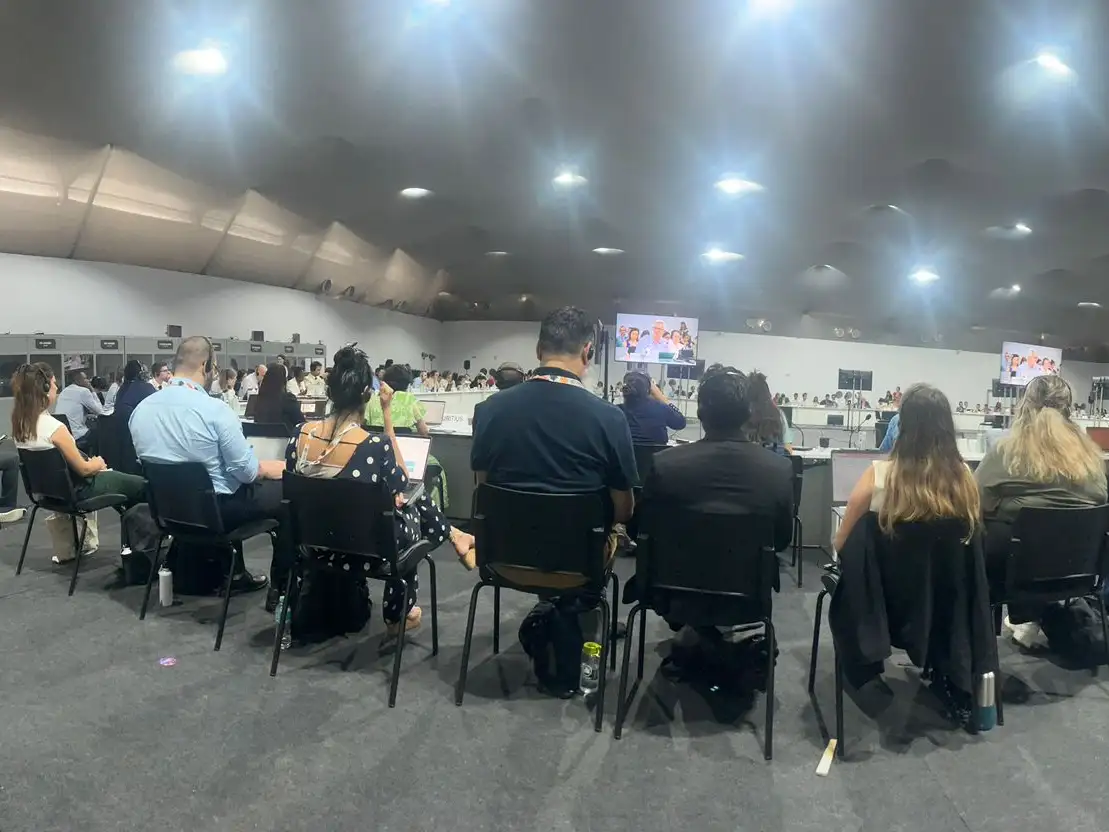
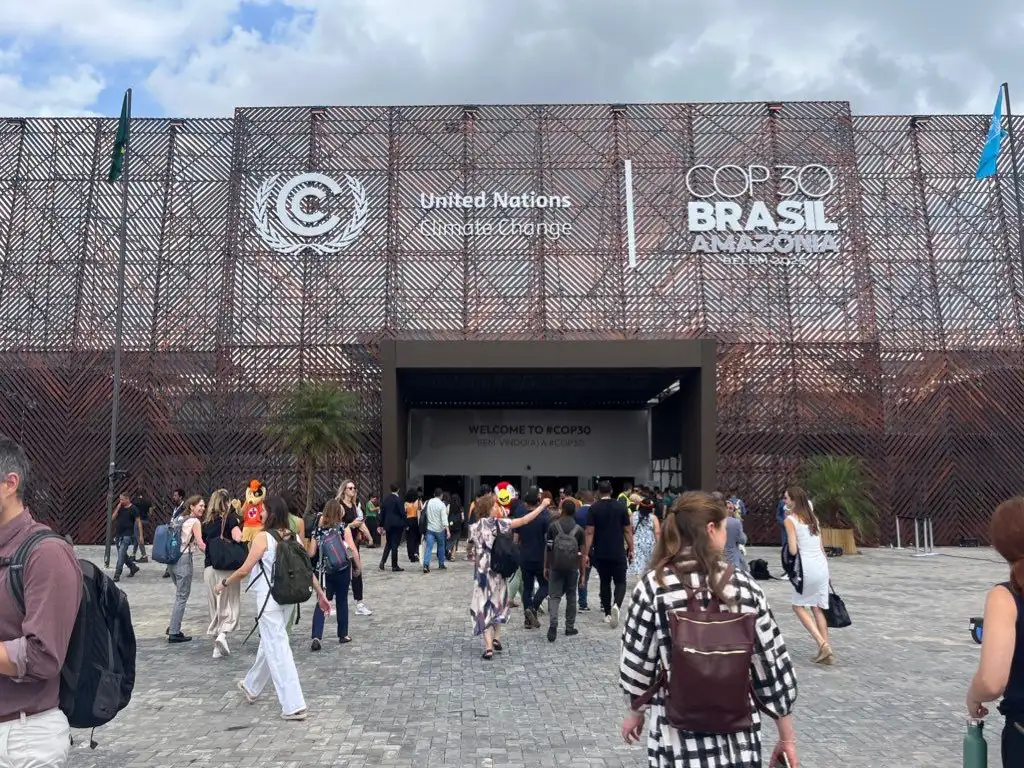
We connect local advocacy (communities campaigning for change) with international policy processes (like COP).

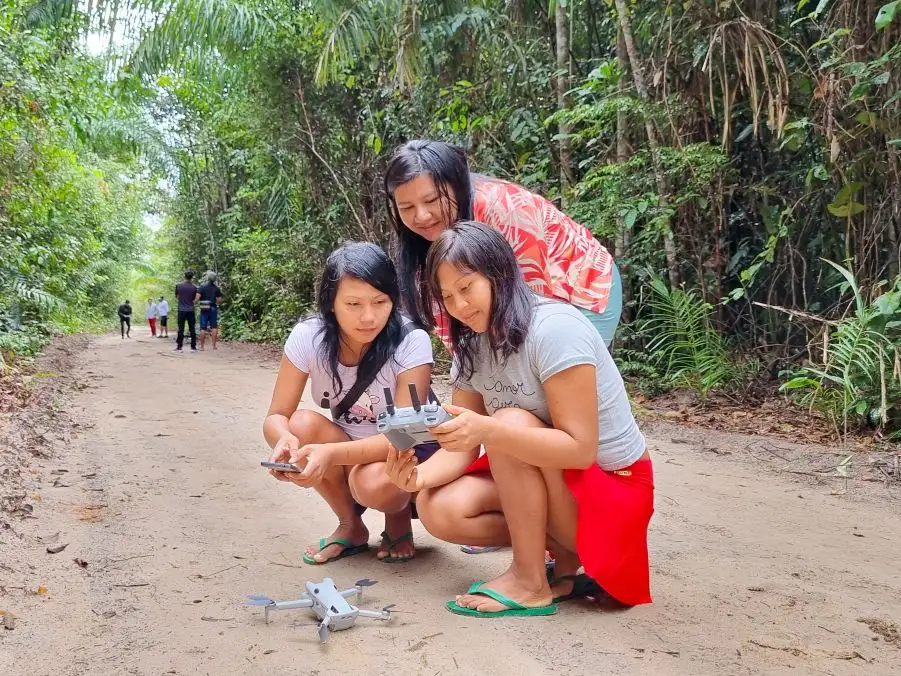
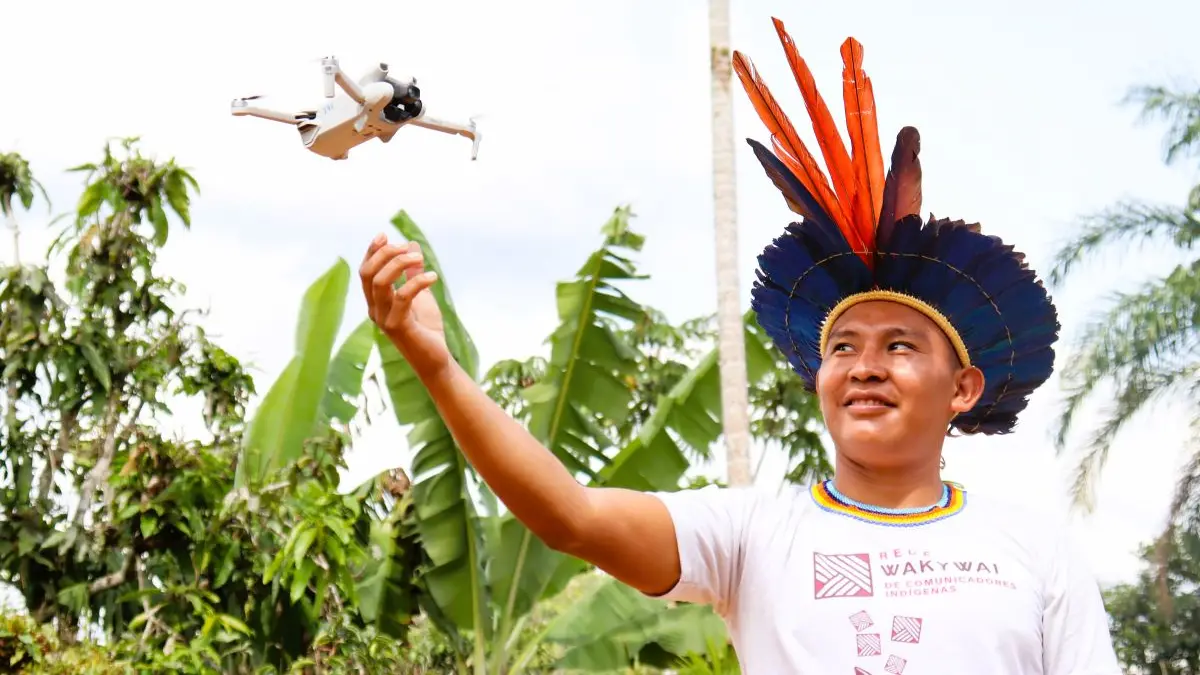
Young indigenous leaders are learning how to use drones to monitor and report to authorities on deforestation in the Brazilian Amazon. Credit: Evilene Paixao, Partner Hutukara Yanomami Association (HAY)

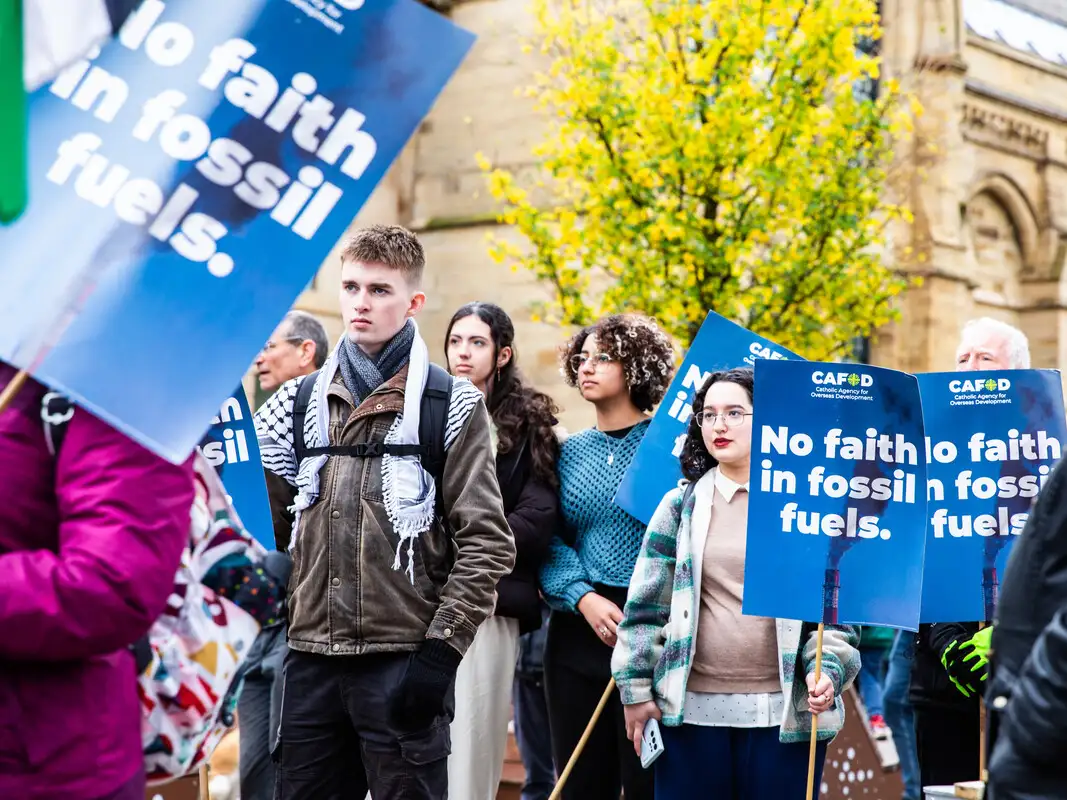
CAFOD supporters joined calls at a march in London for leaders at COP28 to commit to urgent action on the climate crisis
We are engaging in advocacy at a UK and international level, campaigning to fix the global food system and to tackle the climate crisis. We are calling for:
Ambitious action to keep warming below 1.5°C, including fully funded policies to ensure the UK is on track for net zero.
Support for the poorest and most climate-vulnerable communities.
An end to all support of fossil fuels, at home and overseas, including gas.
Protection of farmers’ rights to save and share their seeds.
More than 13,000 soil and water conservation structures constructed and 45,000 tree seedlings planted leading to improved soil fertility and access to water for farming in Ethiopia.
CAFOD’s partners’ efforts have contributed to the National Fisheries & Aquaculture Authority setting up a Department for Coastal Environmental protection in Liberia.
Watershed management project in Sar-e Pul province resulted in the construction of two check-dams, a water reservoir and the excavation of 1,500 trenches, in which 3,000 saplings were planted. This has resulted in an 80% reduction in soil erosion across five hectares in Afghanistan.
Following our partner MONLAR’S advocacy efforts, a National Action Committee has been established by Sri Lanka’s Department of Agriculture made up of farmers, policymakers, researchers and civil society to support Sri Lanka to move towards a more sustainable food system .
Improved environmental stewardship and resilience among local communities through the promotion of organic farming, green sewage filtration and solar-powered water systems in Lebanon.

In Bangladesh, our local Church partner Caritas Bangladesh are supporting marginalised rural communities with a strong focus on women. They are learning more about using vermicompost (making compost with worms) to improve growing vegetables, improve soil health and earn additional income by selling the fertiliser locally. Women are learning more about how to access markets and how to adapt to the climate crisis.
A total of 3,400 people involved in the project were able to sell their compost products supported by the use of vermicompost.