Despite its rich natural resources, Bolivia continues to face high levels of poverty and inequality across both urban and rural areas.
In urban centres, rapid and unplanned growth has led to overcrowded and precarious housing, limited access to clean water and sanitation, and a severe shortage of public green spaces — all of which negatively impact health and quality of life. Many Indigenous and rural migrants moving to cities also face discrimination, gender-based violence and exclusion from essential services.
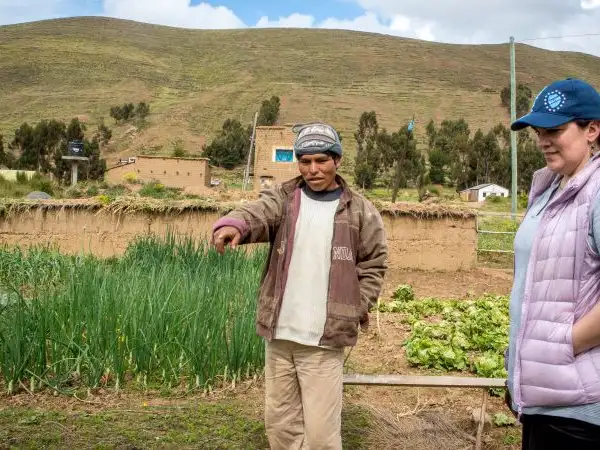
In rural areas, around half of families lack reliable access to food and safe water. Small-scale farmers are especially vulnerable as increasingly unpredictable weather patterns make growing and harvesting crops more difficult.
Indigenous communities face overlapping injustices, including racial discrimination, land dispossession and exclusion from political decision-making. Gender inequality remains widespread, with high rates of violence against women, particularly Indigenous women. Deeply entrenched patriarchal norms, known as 'machismo', continue to normalise male control over women in both public and private life.
Meanwhile, the climate crisis is intensifying existing challenges. Flooding, landslides, wildfires and prolonged droughts are becoming increasingly common. Shrinking glaciers - critical water sources for many communities - threaten long-term water security.
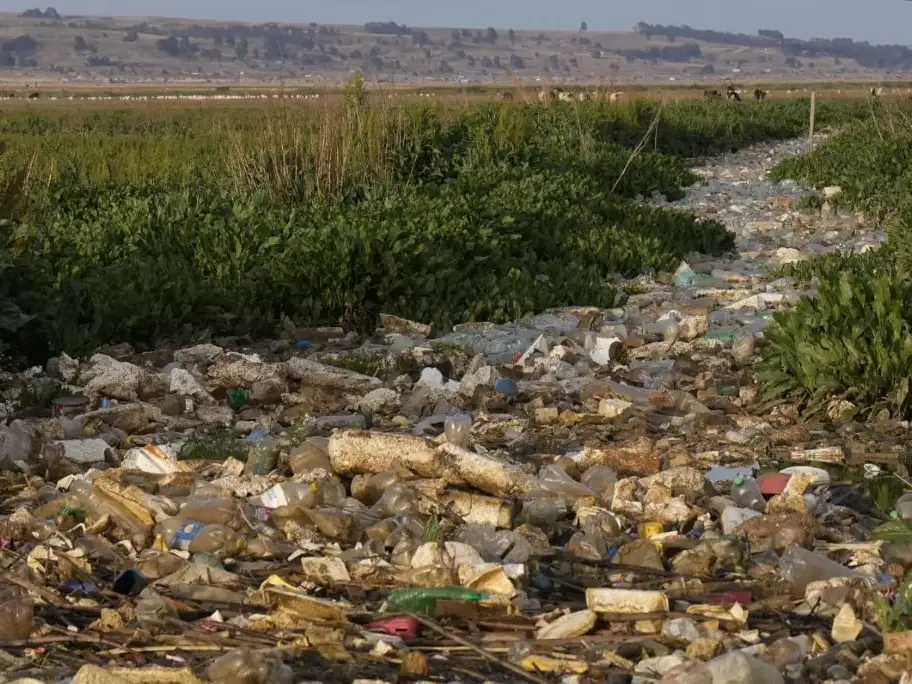
Bolivia’s economic reliance on extractive industries such as mining, natural gas and petroleum has caused devastating impacts on local communities and the environment. These industries often operate with weak regulation and without genuine community consent, reflecting the interests of powerful actors - especially men - within communities. The consequences include water contamination, deforestation, displacement and health problems.
Bolivia also holds significant portions of the Amazon rainforest, making it globally vital for climate stability and biodiversity. Alarmingly, it has one of the highest deforestation rates in the world, driven by forest fires, land clearing and extractive activities - all threatening Indigenous territories, ecosystems and the planet’s climate.
Together, we can build a better world. Donations from people like you can directly respond to the injustices faced by thousands of families living in Bolivia, so everyone can have the opportunity to flourish.
We work with trusted Bolivian partner organisations to tackle the root causes of poverty, strengthen resilience to climate change and protect human rights.