Africa causes 3% of global emissions, but suffers disproportionate consequences. When Somalia faced its worst drought in 40 years, they borrowed to import food. Credit agencies then punished Somalia for 'excessive debt', reducing their credit ratings and thus raising their borrowing costs. The logic: you're hit by a climate disaster you didn't cause, forced to borrow to survive, then punished for being 'irresponsible'.
Global financial shocks also hit African countries hardest. When Russia invaded Ukraine in 2022, wheat and fertiliser prices exploded. Egypt imports 80% of wheat from Russia and Ukraine. The war wasn't Egypt's fault, but their debt crisis deepened as food bills doubled. Kenya, Tunisia and Somalia all faced identical shocks.
When commodity prices boom, international banks and wealthy investors aggressively push loans to African countries. These creditors (which manage trillions for the super-rich) loan money at 6-10% interest while borrowing at 0-1% themselves. They know the risk; that's why they charge high rates. When prices inevitably crash, these same wealthy creditors demand full repayment regardless of human cost. African taxpayers, often living on under $2 a day, service debt owed to billionaires and investment funds in New York, London and Paris. Interest payments flow upward: from the global poor to the global rich. The top 1% who control most global wealth also control most government bonds. Yet when countries can't pay, it's called 'irresponsible borrowing', rather than 'predatory lending'.
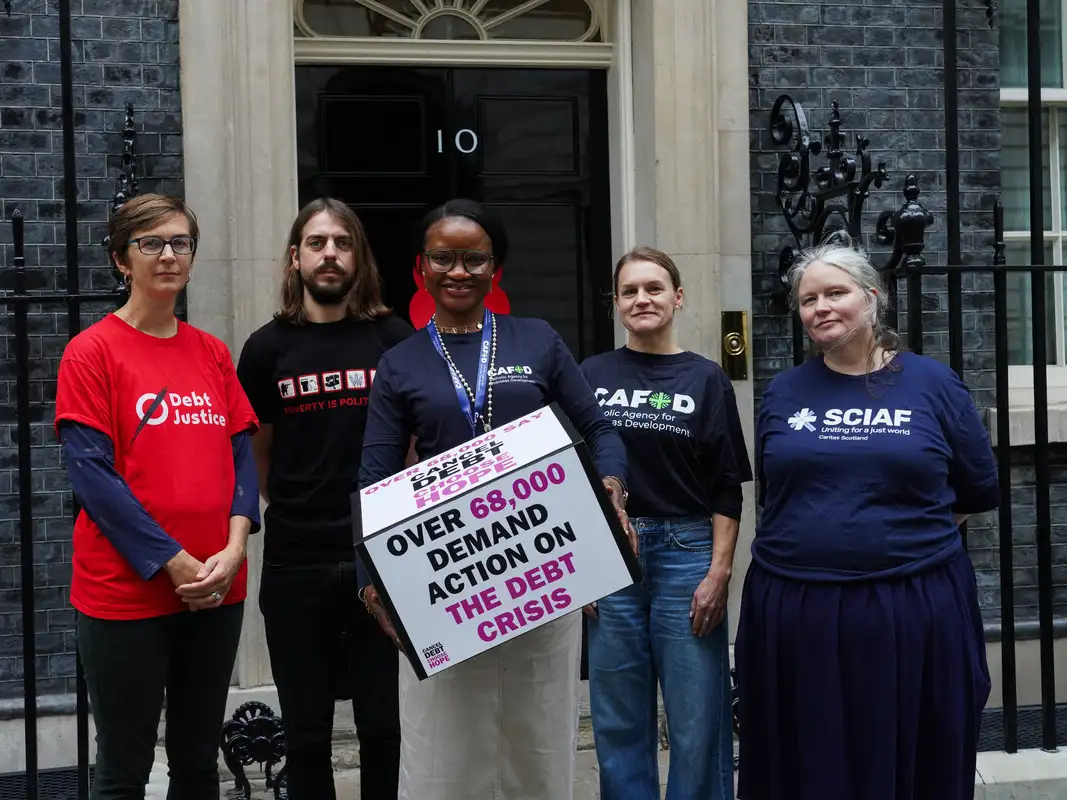
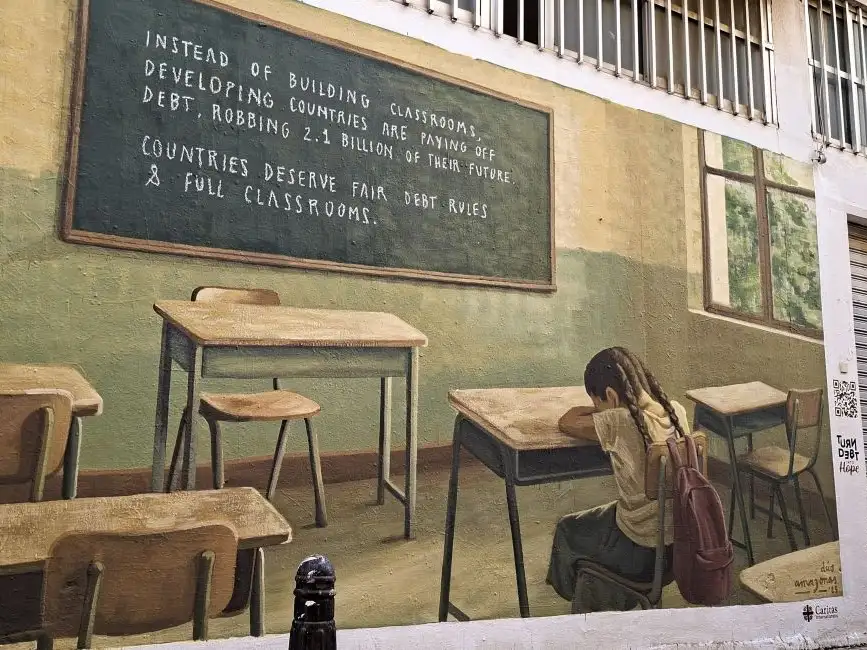
Debt crises are caused by global commodity prices, US interest rates, climate disasters, geopolitical shocks and predatory creditors - all factors African countries cannot control. This isn't about irresponsible borrowing, but a structural problem requiring comprehensive debt cancellation, fair and transparent ways to borrow money, proper help when climate disasters hit, and a global financial system that works for everyone, not just the 1%.
Hope Adero is a CAFOD volunteer. Find out about volunteering opportunities with CAFOD