The statement from the UK Foreign Secretary David Lammy in relation to the announcement of famine condemning the situation in Gaza as “utterly horrifying and wholly preventable” is welcome. CAFOD voices are critical to ensuring the UK does all it can to bring about a permanent ceasefire and enable the urgent humanitarian aid at the scale needed.
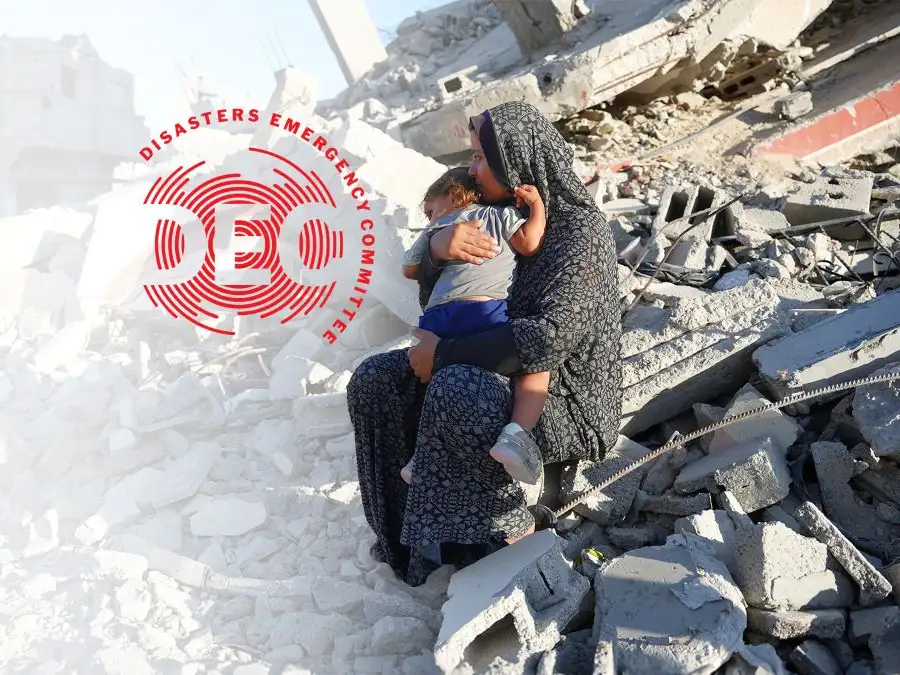
We have all seen and heard voices telling us of pain and suffering in the Holy Land which is reverberating around the world. Distressing news and images bear witness to unfathomable scenes – with countless lives transformed by war, poverty and hunger.
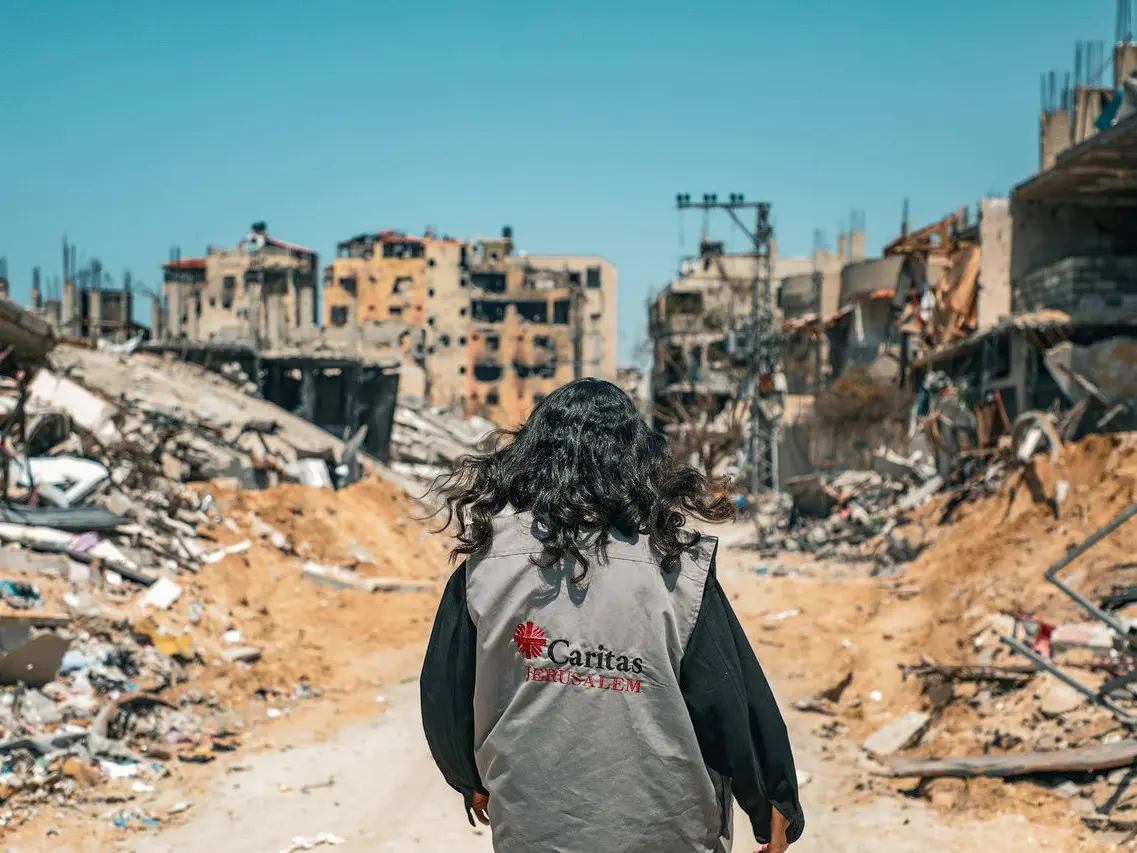
Anton Asfar, Secretary General of our partner Caritas Jerusalem, continues to travel extensively across the Holy Land, leading the teams who deliver food and shelter supplies, and who care for the elderly, those with disabilities and those who have been displaced.
Some of the Caritas Jerusalem team are working in the Holy Family Church compound in Gaza city - the only Catholic church there - which shelters hundreds who have lost everything and have nowhere else to turn. Caritas Jerusalem support provides food, shelter and vital medical care to the hundreds of people there. And yet, even the church is not spared. In July, the compound was hit by an Israeli shell. The tents in the compound, intended to be places to access psychological support, provided no protection from shrapnel and debris for Mrs Fumayya Ayyad, aged 84, who was killed along with two others, including the parish janitor.
Just days later, the Caritas primary healthcare hub – a place where polio vaccinations are given – was seriously damaged. Its staff talk of Israeli tanks razing the vicinity. The staff working there, like most people in Gaza, are hungry, surviving on little more than salt, water and tea. And yet they continue to work, just recently securing more vitally-needed medical supplies to replenish their stock.
At the time of writing, in the last days of August, part of Gaza has been classified as under famine conditions. As the Caritas Internationalis statement says:
“This is not a tragic accident. It is the result of calculated choices. A population stripped of shelter, sustenance, and safety has been left to perish in full view of the world.”
The Israeli government has announced its decision to take control of Gaza City. New evacuation orders have been issued, people have been told to move south.
Like other residents of Gaza City, the refugees living in the church facilities will have to decide according to their conscience what they will do. Among those who have sought shelter within the walls of the compounds, many are weakened and malnourished due to the hardships of the last months. Leaving Gaza City and trying to flee to the south would be nothing less than a death sentence. For this reason, the clergy and nuns have decided to remain and continue to care for all those who will be in the compounds.
"What would I have done?" It's a common question we ask ourselves when we learn about some of the most terrible moments in human history.
Faith asks us, what have we done in our life for the other? What do we do with our love? What do we do with our suffering? It reminds us that compassion should not be selective, justice should not be selective. It is universal.
Cardinal Pizzabella, the Latin Patriarch of Jerusalem, recently visited Gaza. He calls on the international community to speak out: “Silence in the face of suffering is a betrayal of conscience.”
The plea of our colleagues at Caritas Jerusalem: We once again call on the international community to act urgently to protect civilians, places of worship, and humanitarian spaces, and to ensure that people in Gaza have access to the most basic right: the chance to survive.