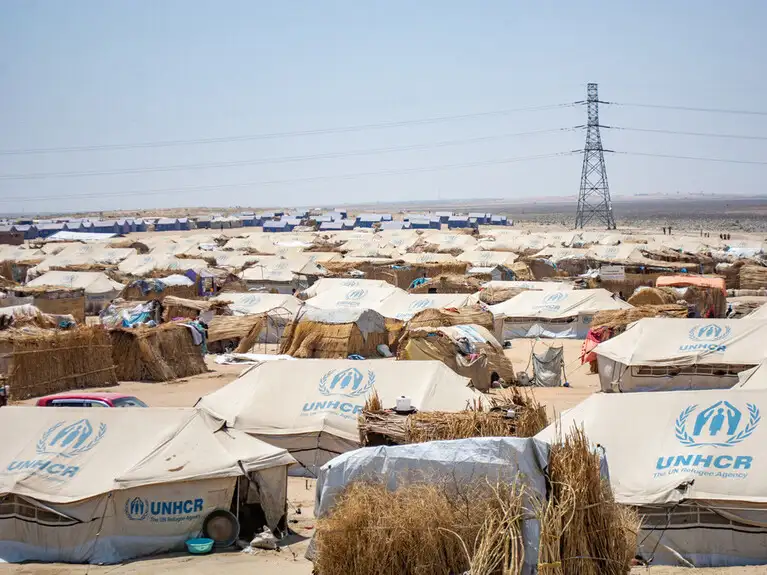
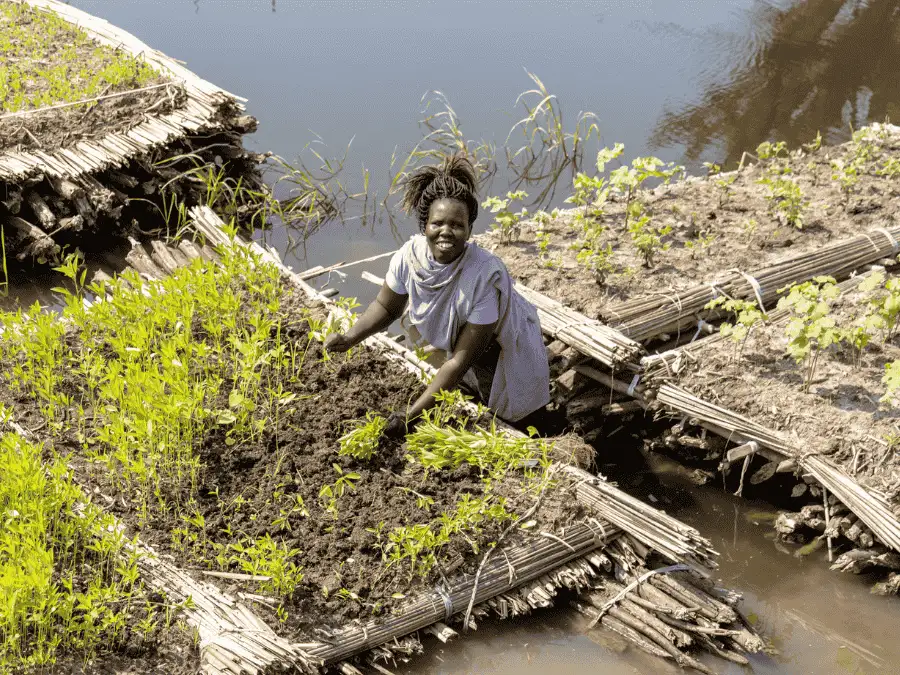
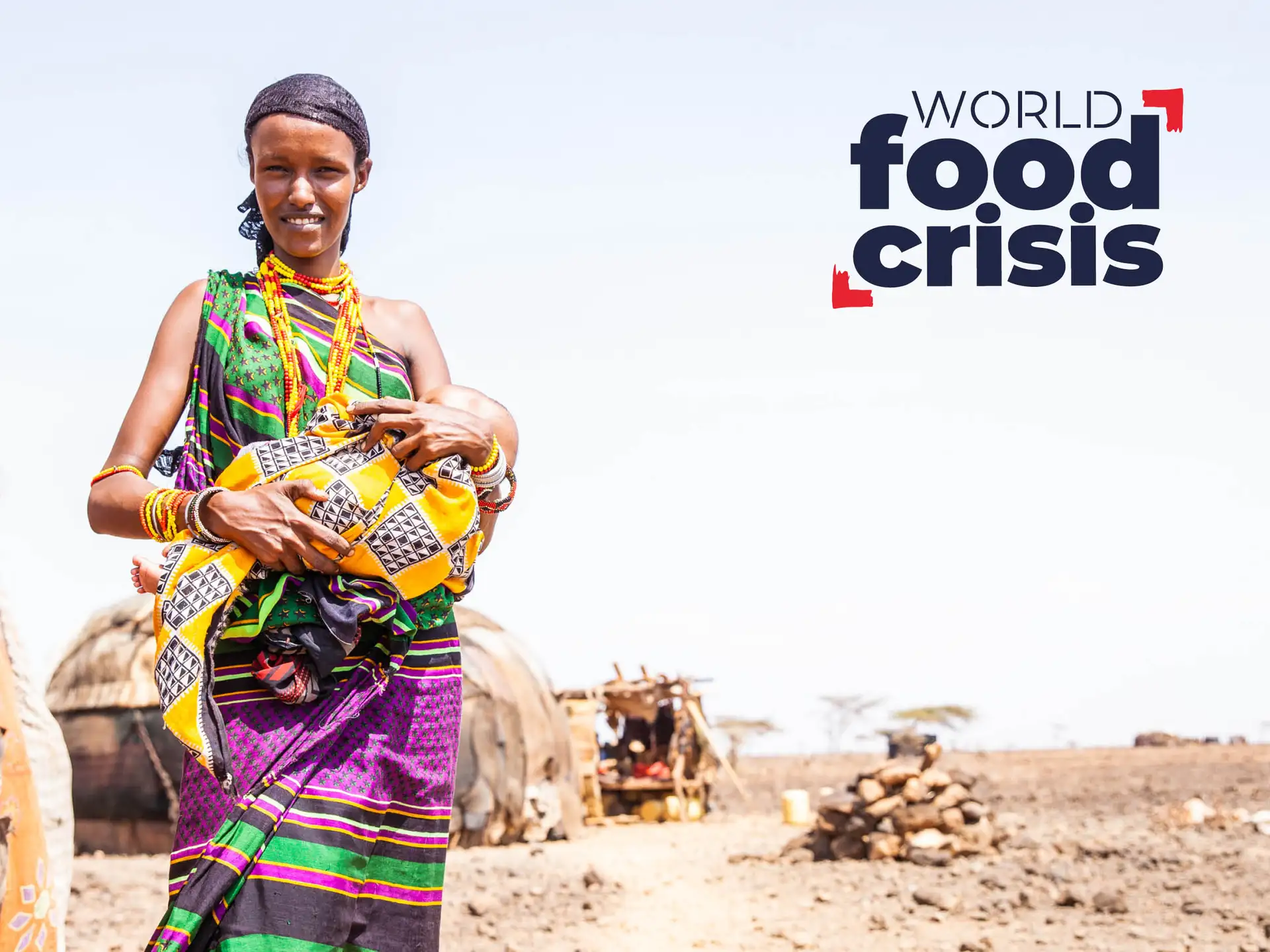
Right now, millions of families around the world are facing a food crisis that could be worse than any we’ve ever lived through. An increase of devastating climate catastrophes, the Covid-19 pandemic, as well as rising food and fuel costs caused by the conflict in Ukraine, have intensified underlying inequalities.
It’s a lot to take in, so here are five simple facts to help you understand the world food crisis.
Even before the pandemic struck, in 2019, close to 750 million people were exposed to severe levels of food insecurity. Now, exacerbated by the conflict in Ukraine, as many as 811 million people around the world are facing extreme hunger – that’s an increase of roughly 60 million people in just three years.
In 2020, around the world, 149 million children under five were affected by stunting (being too short for their age) and 45 million children were affected by wasting (being too thin for their height) – conditions caused by malnutrition, untreated infections and inadequate mother-and-baby healthcare support.
Big food companies are growing and sharing food in ways that harm the planet and make it hard for people around the world to have enough food to eat. Simply put, there’s enough food in the world to feed everyone but it isn’t shared equally. That’s why nearly 10 per cent of the world’s population go hungry.