


Latest news
Slide 1 of 10


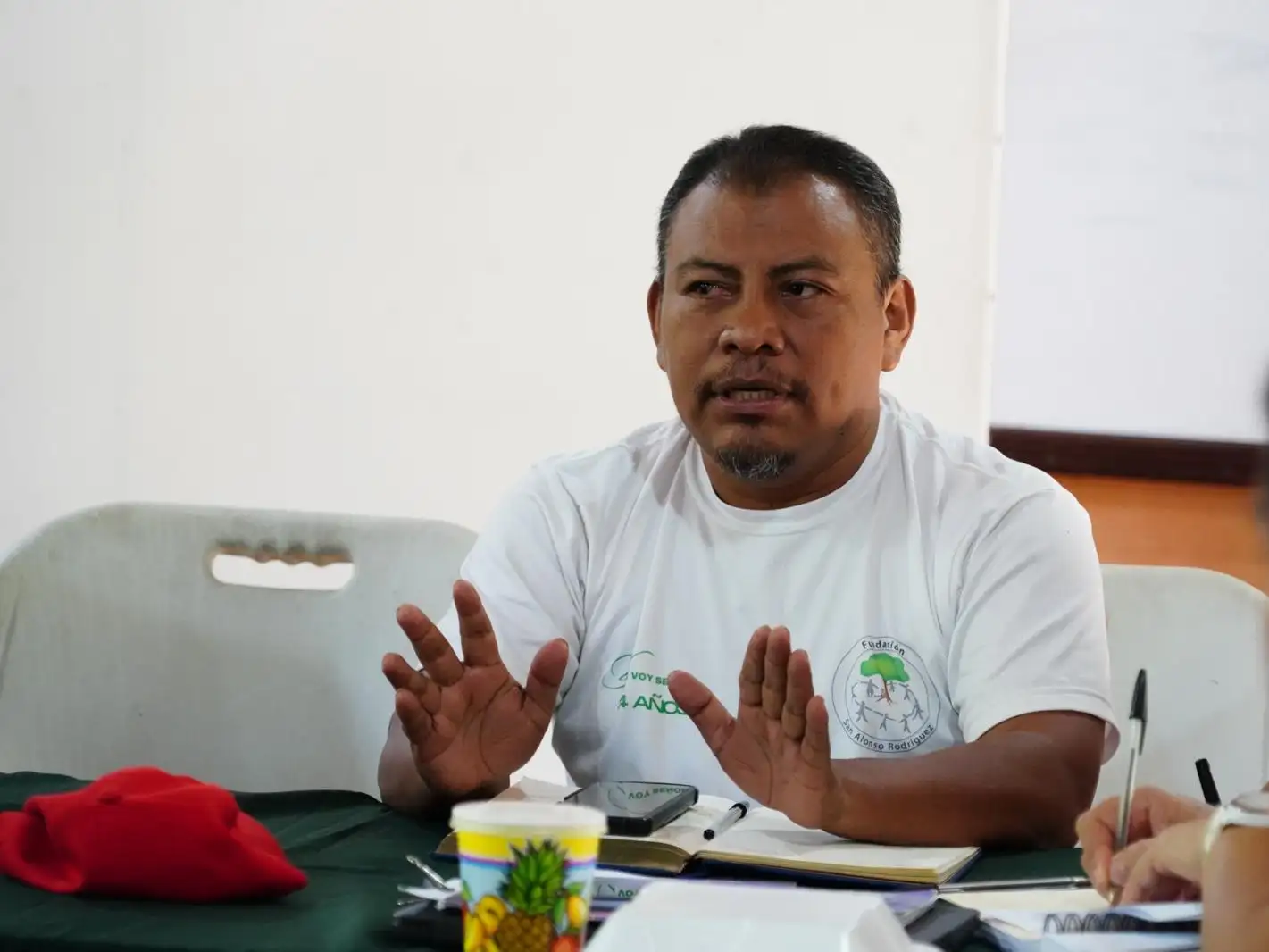
Local partner FGER defending indigenous rights through radio in Guatemala. Credit: FGER
Catholic Social Teaching calls us to respect human life and dignity. The Catholic Church remains a staunch defender of human rights around the world, offering solidarity with and protection to society’s most vulnerable people. Through the Church and other local experts, we support communities and human rights defenders over the long term, including in places where speaking out can carry significant risks.
We believe that everyone should have the chance not just to survive, but to thrive. We respect and uphold the basic rights and freedoms that belong to everyone, no matter their race, gender, religion, age or background.
Human rights defenders are people or groups who peacefully stand up for their rights and the rights of others.
They work to protect human rights, democracy, civic space and our common home. They can be well-known campaigners, local activists or individuals, working quietly, sometimes at great risk to themselves, their families and their communities, to bring about justice.
All around the world, authoritarian regimes, repressive laws, attacks on civil society organisations, exploitation of natural ecosystems and the use of technology to control certain communities are making it increasingly difficult and dangerous for people to defend their rights.
Latin America is the most dangerous region in the world for environmental and human rights defenders. In countries like Colombia, Honduras, El Salvador, Guatemala, Peru and Brazil, defenders, Indigenous communities and human rights organisations face increasing repression, and even death.

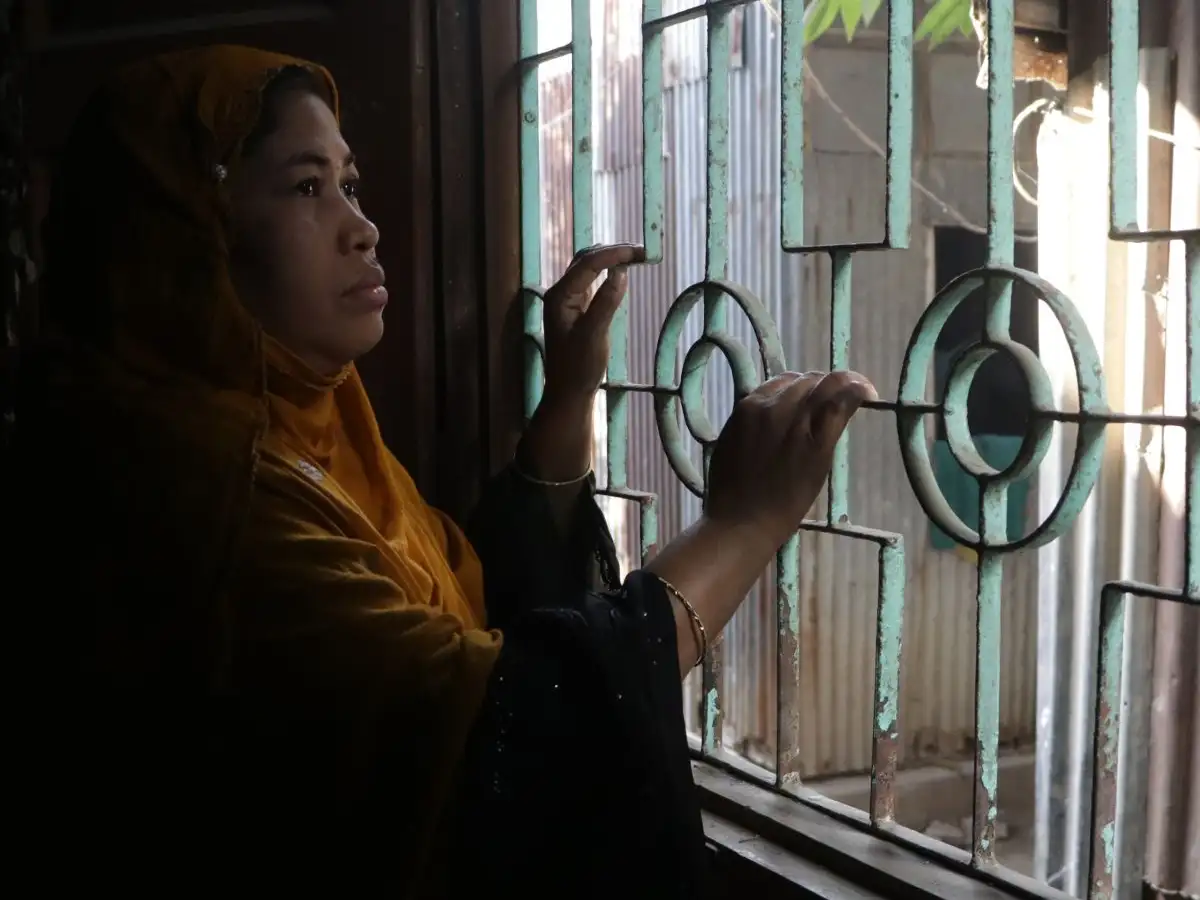
Local partner MONLAR campaigning to transform food systems in Sri Lanka. Credit: MONLAR
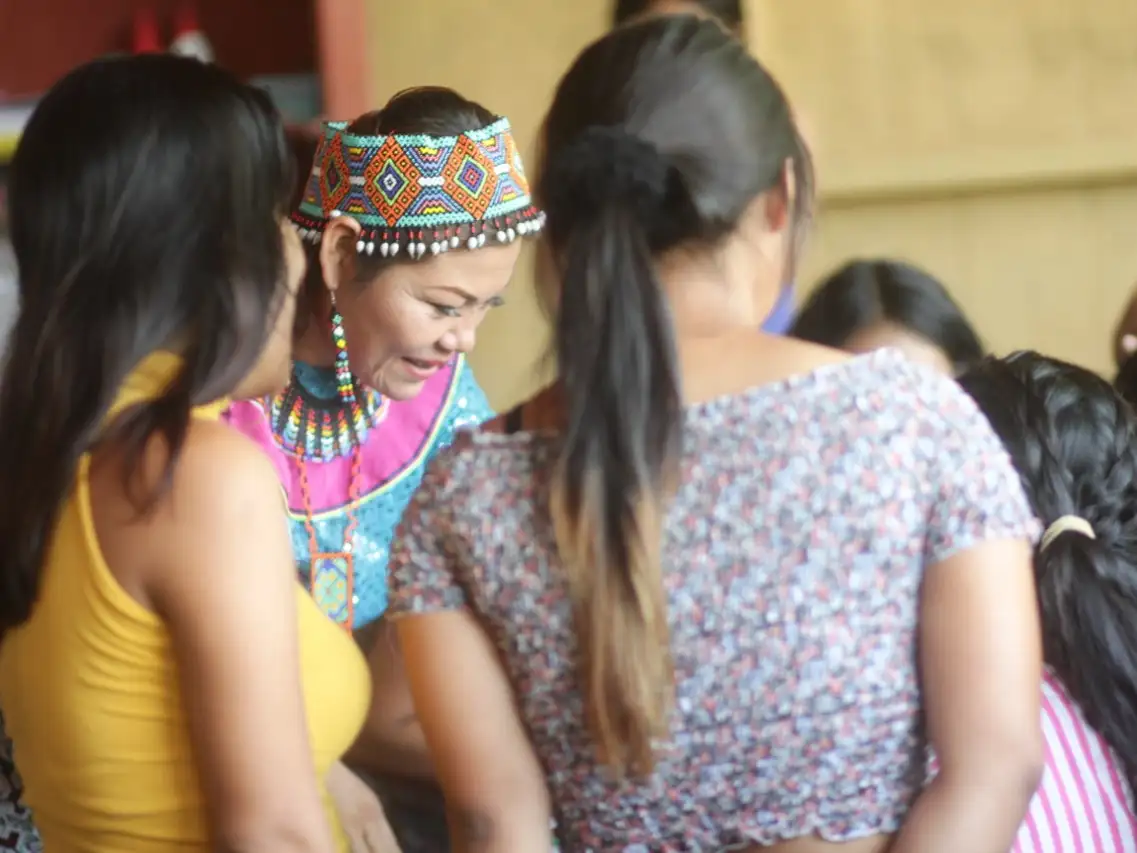
Through our local experts, including faith leaders, we empower people to understand, claim and exercise their rights. We especially focus our work on defending the rights of women, Indigenous peoples and workers, and the rights to land, education, health and a safe environment.
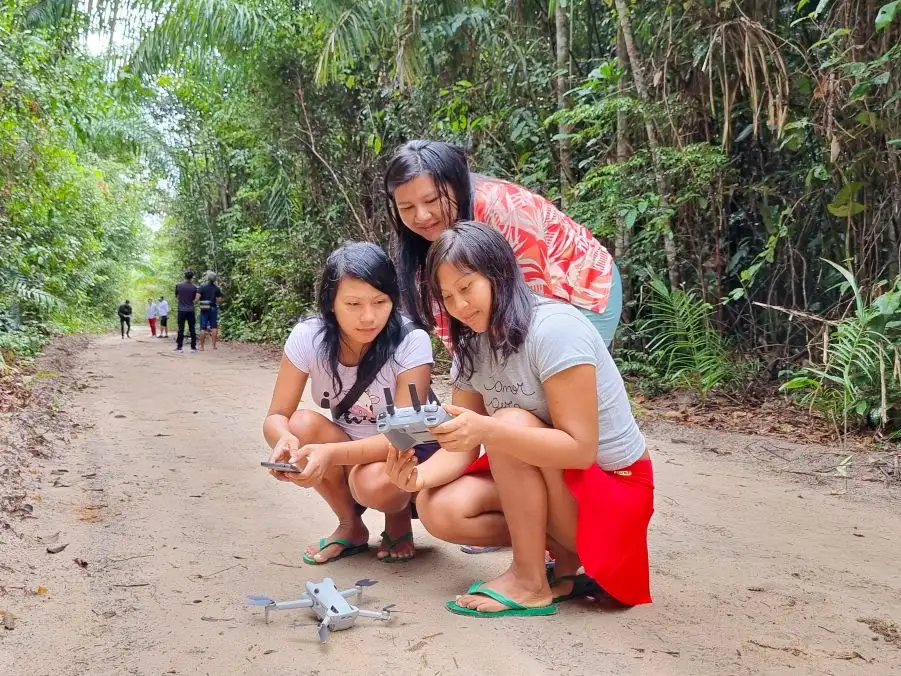
We help communities track and report human rights abuses, gathering evidence, identifying patterns and ensuring their experiences are heard locally, nationally and internationally, including in the UK.
Our local experts provide legal support, challenge laws and practices that violate people's rights, and pursue justice through national, regional and international human rights mechanisms. This work helps strengthen accountability, challenge injustice and uphold the rule of law.
We support communities and human rights defenders to bring their experiences and demands to those with the power to act. In the UK, we urge the government to better protect environmental and human rights defenders and hold companies accountable for the negative impacts of their products, from raw materials to finished items.
When defenders are threatened because of their work, protection is urgent and practical. Our longstanding relationship with local experts means we can move quickly to save lives, help those facing threats, and enable safer conditions in which they can continue their work.
We call for stronger support for environmental and human rights defenders through UK embassies, both overseas and in the UK. We engage with international human rights mechanisms, including UN experts, to highlight the challenges defenders face and the increasing pressure on civil society.

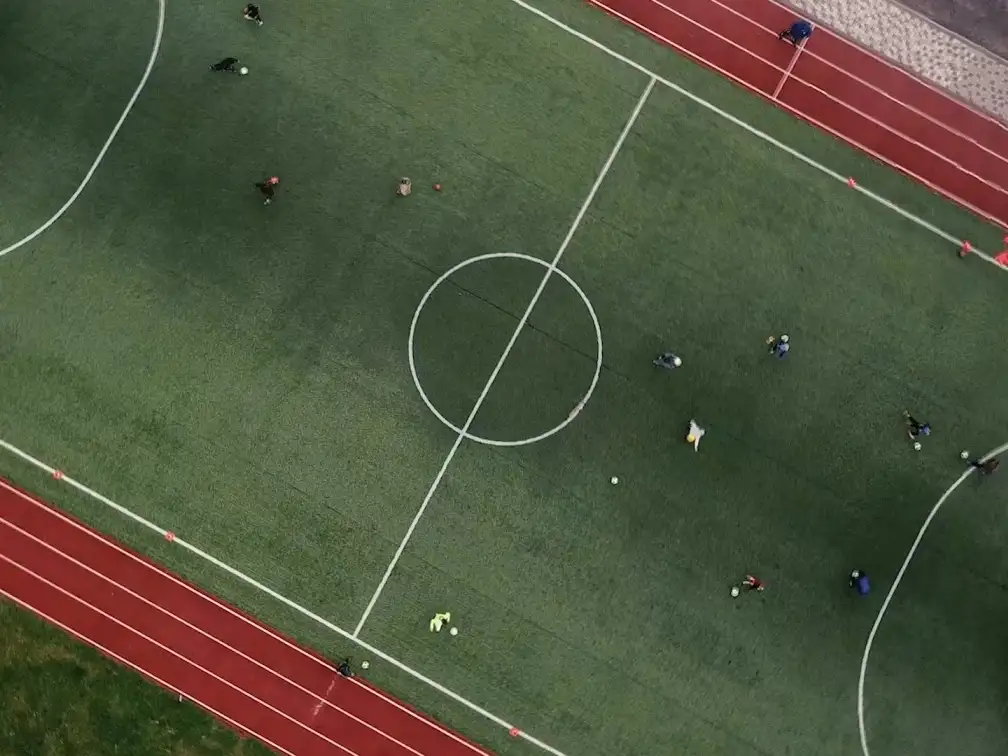
Local partner Caritas Malakal supports young people to defend human rights and the environment in Fashoda County, South Sudan. Credit: Caritas Malakal
In Peru, we worked alongside 3,343 people over the last three years from Indigenous and campesino communities (these are rural, small-scale farmers) in 10 regions impacted by mining. We helped amplify community voices as human rights defenders, environmental protectors and community leaders.
In the occupied Palestinian territory, we supported over 1,000 Palestinians facing the demolition of their homes and property, land evictions, forced displacement, movement restrictions, and settler violence through legal representation, legal consultation and awareness raising of legal and human rights.
In Bangladesh, over 550 farmers were trained on land rights and 65 Indigenous communities were trained to secure their land.

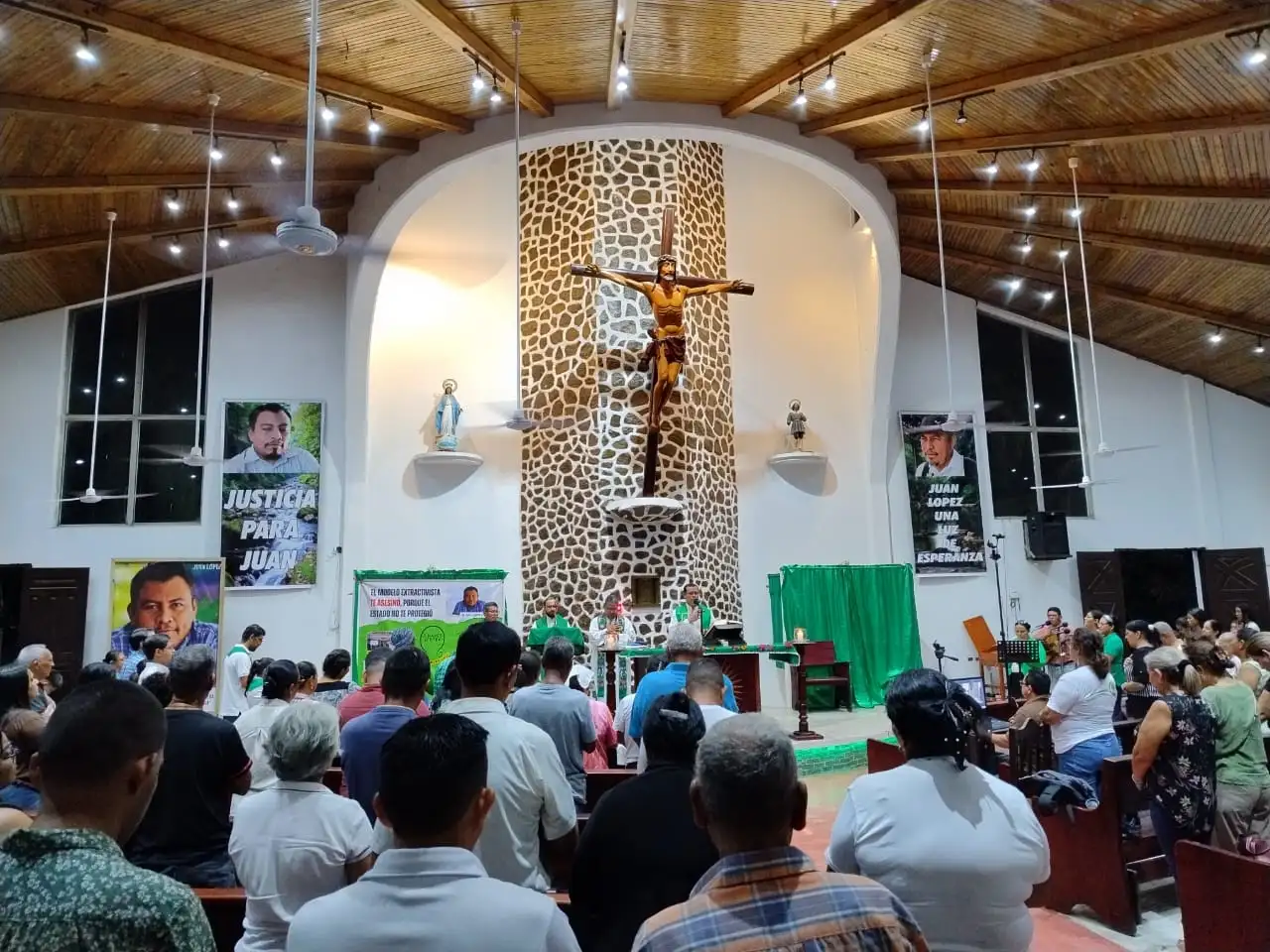
Juan López, a Honduran environmental activist, was assassinated in 2024
In September 2024, environmental activist Juan López was shot dead by several men as he travelled home from church. We continue to join with others in Honduras and around the world calling for justice over his death.
Paz Redondo, from CAFOD’s Central America team, says:
"We continue to mourn the loss of our friend and brother Juan López and call for justice to be served. Environmental and human rights defenders protecting our common home are innocent targets in places like Honduras."