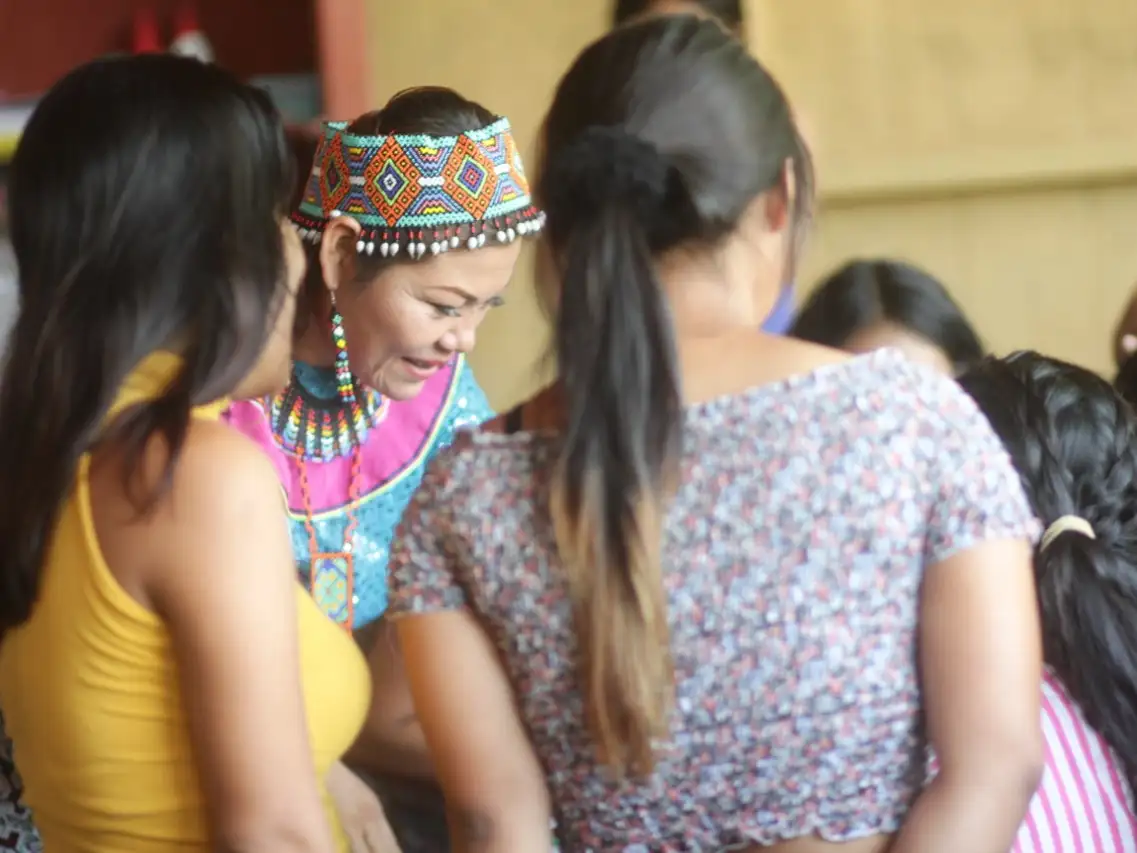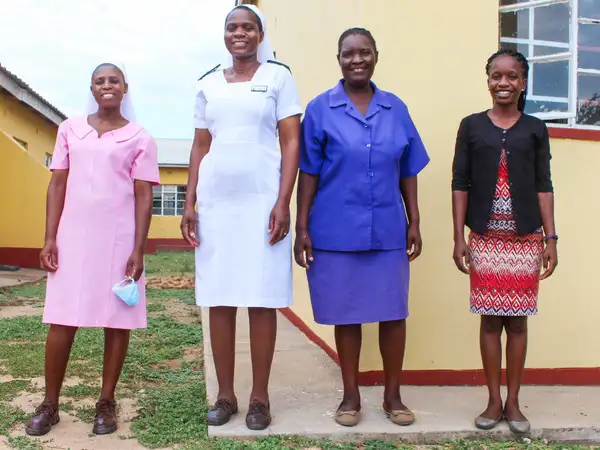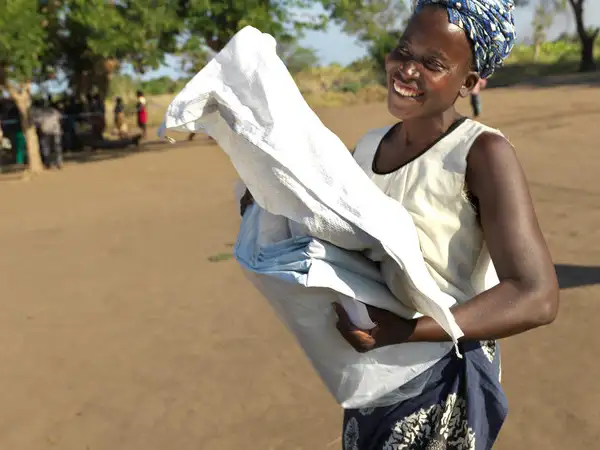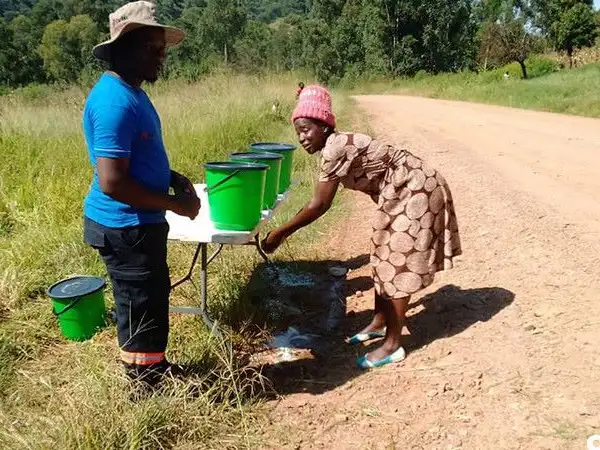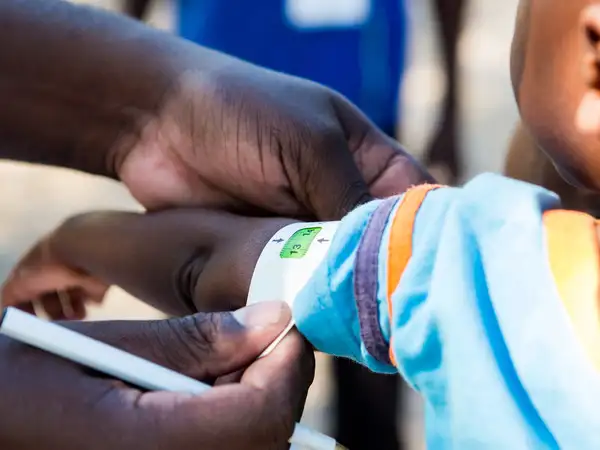
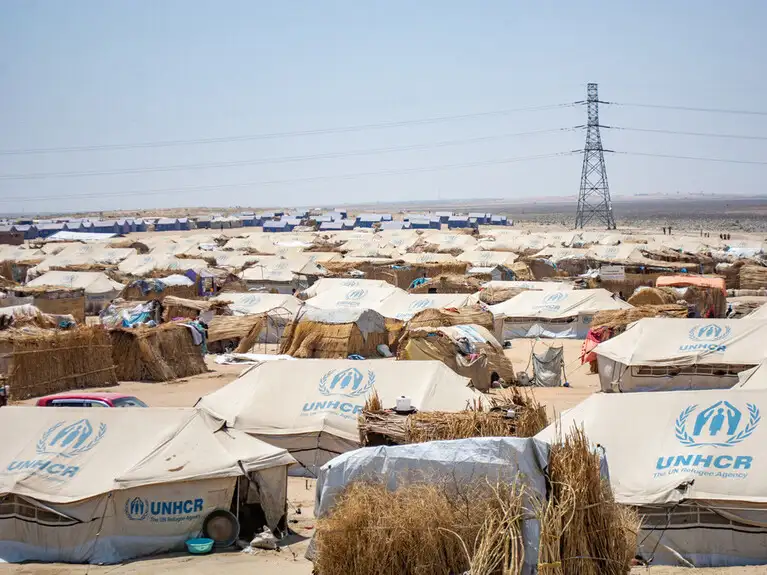
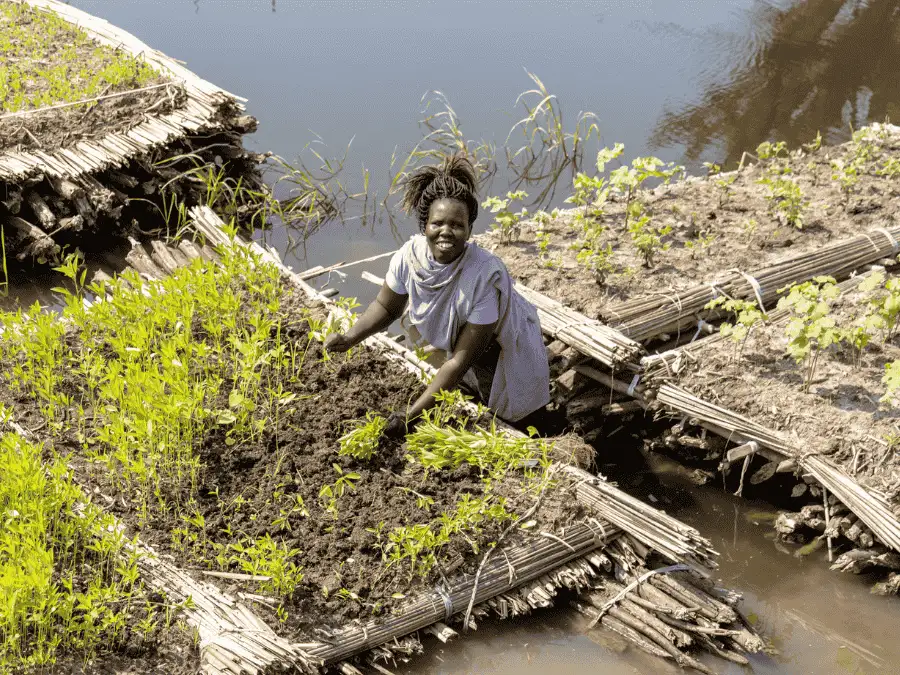

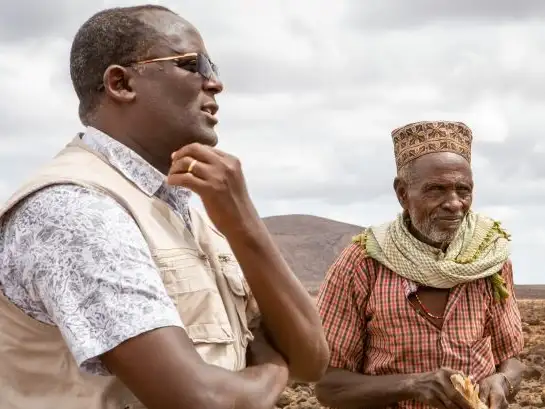



Women and girls in Zimbabwe bear the brunt of the backlash to a turbulent socio-economic situation and an increasingly unstable climate, with one of the highest rates of sexual and gender-based violence in the world. Tackling gender inequality, therefore, underlines all our programme work across the country.
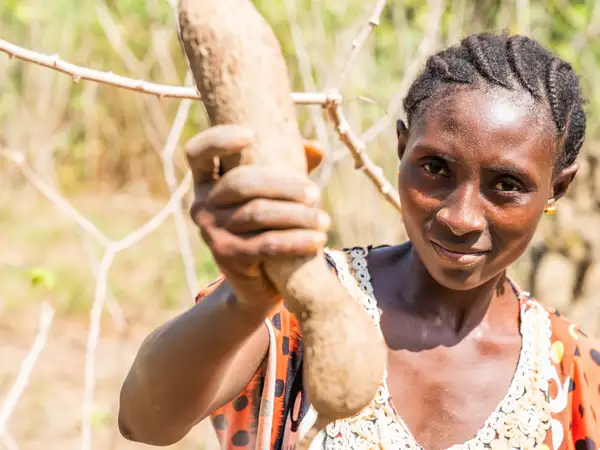
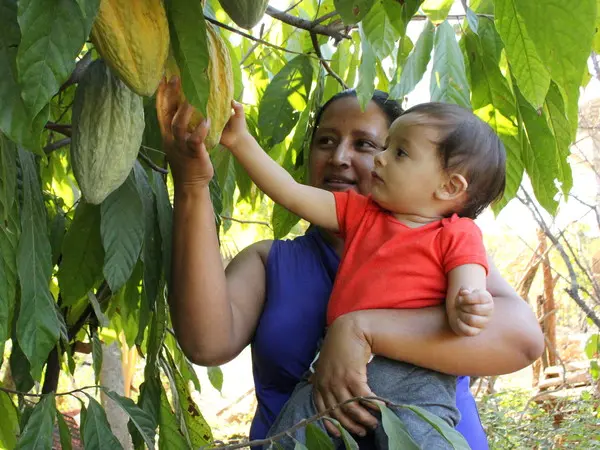
Nearly 70 per cent of Zimbabwe’s population works in the agricultural sector – the majority of these workers are women. The El Niño-induced drought of 2024 – the worst drought in 40 years – depleted water resources, destroyed pastureland and caused widespread crop failure. Now, over 40 per cent of homes are struggling to access nutritious food.
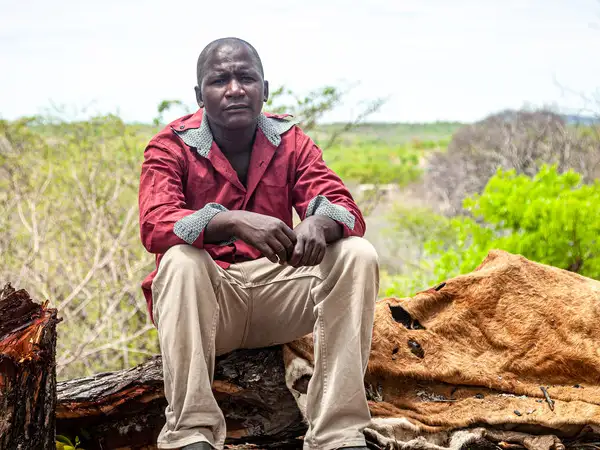
A better world needs all of us. That’s why CAFOD has been working in Zimbabwe since the 1970s to combat disease, food insecurity and the effects of climate change, as well as tackling gender inequality throughout its work.
News from Zimbabwe