Unsustainable land use through deforestation, intensive farming, and use of agrochemicals is also leading to a biodiversity crisis, with irrecoverable loss of species, which affects entire ecosystems and people’s ability to live in harmony with their environment.
And there is the pressing need to feed a growing number of people in order that they can live healthy and flourishing lives – and to do so in ways that both tackle climate change and to protect nature for current and future generations.
Donors, governments and large integrated agribusinesses have contributed to this shift from people and their environment to a focus on commercialised agriculture. Companies are part of an ecosystem that denies people their rights.
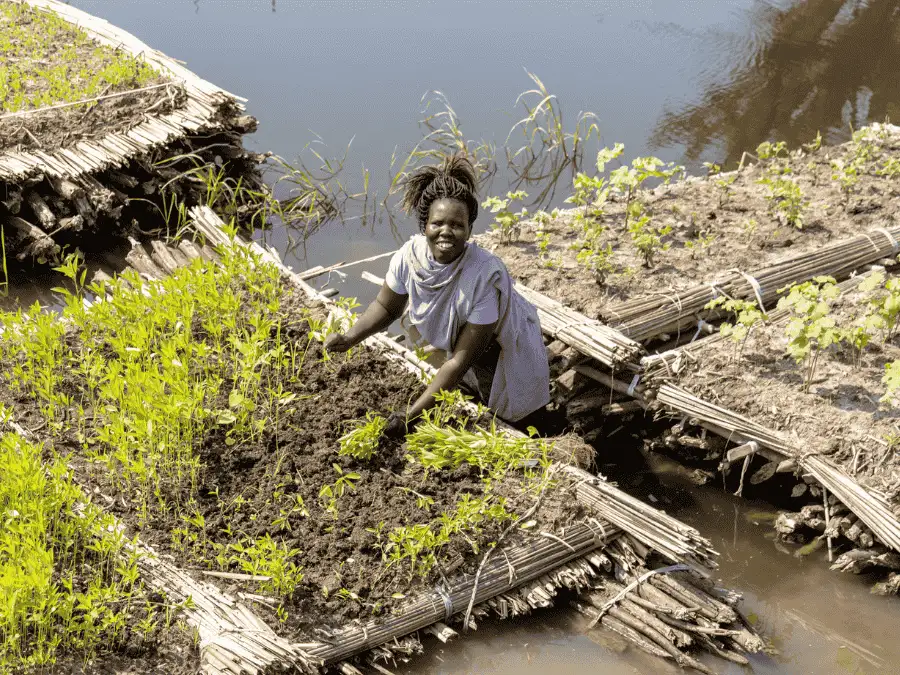
But there are signs of hope. In the global south there are many communities who manage their natural resources sustainably, but who have their rights to land or fishing attacked or ignored.
Agriculture is responsible for 28% of greenhouse gas emissions and contributes to a new normal of increased droughts and floods in many parts of the world, with crop failure and increased hunger gaps. This reality is experienced daily by a wide range of CAFOD partners and communities they work with.